A commercial roof is not something to “set and forget.” With the right commercial roofing maintenance routine, you can reduce leaks, control cost, and keep your building safe through heavy rain, snow, heat, and wind.
Immediate Takeaways: How to Properly Maintain a Commercial Roof
To properly maintain a commercial roof, build an ongoing maintenance program around regular inspections, cleaning, prompt repairs, and clear documentation. The roof maintenance process should be simple enough to repeat and detailed enough to track the roof’s condition over time.
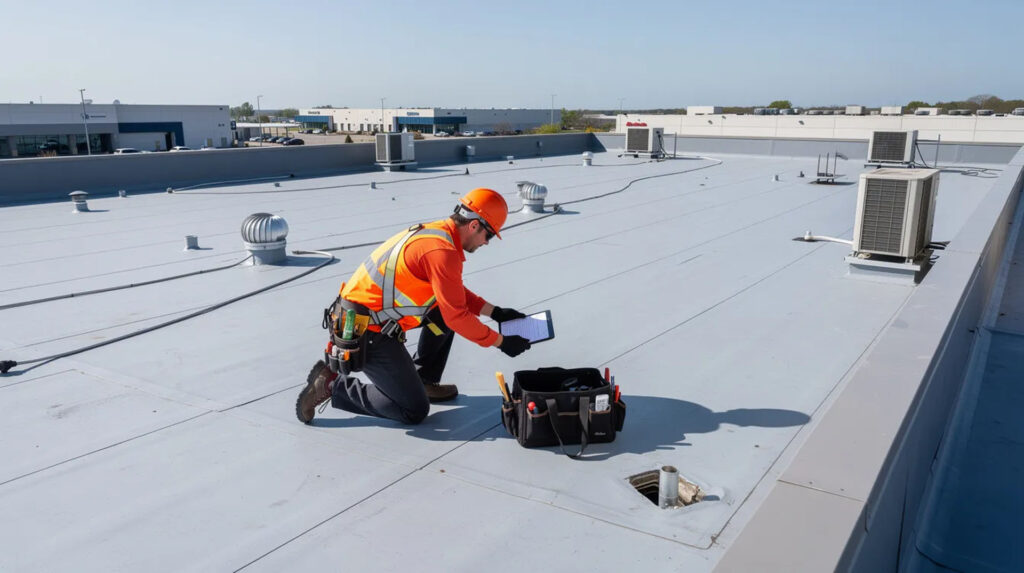
Regular inspections of commercial roofs are recommended at least twice a year to catch problems early and prevent major damage. Most building owners should schedule a roof inspection in spring and fall, plus another inspection after any major storm or extreme weather.
Core tasks include clearing drains, gutters, and scuppers; checking seams, flashing, penetrations, and rooftop equipment; protecting the roof surface from foot traffic; and making small repairs before minor issues become roof leaks, ponding water, or expensive repairs. A written maintenance plan that fits warranty rules can extend the life of a flat roof or low-slope roofing system by 5–10 years or more.
Why Commercial Roof Maintenance Matters for Your Building
Your commercial roof protects inventory, equipment, ceilings, staff, customers, and the business itself. On many properties, that roof covers assets worth hundreds of thousands or millions of dollars.
A well-run maintenance program can delay a new roof by several years and may save $5–$10 per square foot by avoiding premature replacement. A well-maintained roof also ensures better insulation and reduces cooling costs, contributing to energy efficiency.
Most commercial roof manufacturers require regular inspections and documented maintenance to keep warranties valid. The NRCA notes that roof system warranties often include owner maintenance responsibilities.
Benefits of proper maintenance include:
- Fewer leaks and less water damage
- Lower risk of mold, shutdowns, and insurance claims
- Better cost effectiveness over the roof’s life
- Fewer emergency repairs after storms
- A safer commercial building and commercial property
Understanding Your Commercial Roof System
Different types of commercial roofs have different maintenance needs, which can vary based on the materials used and the roof’s design. Know the roofing material before planning repair or maintenance work.
- Single-Ply Membrane Roofs, including TPO, PVC, and EPDM, are durable and UV resistant but require regular inspections to check for punctures and ensure seam integrity.
- Built-Up Roofs (BUR) consist of multiple layers of bitumen and reinforcing fabric, providing durability but requiring regular maintenance to prevent issues like ponding water and surface cracking.
- Modified bitumen roofs need attention at seams, laps, blisters, and cracks.
- Metal roofs are known for their durability and low maintenance needs, but they can be susceptible to rust and corrosion, especially in humid or salty environments. A metal roof also needs fastener and sealant checks.
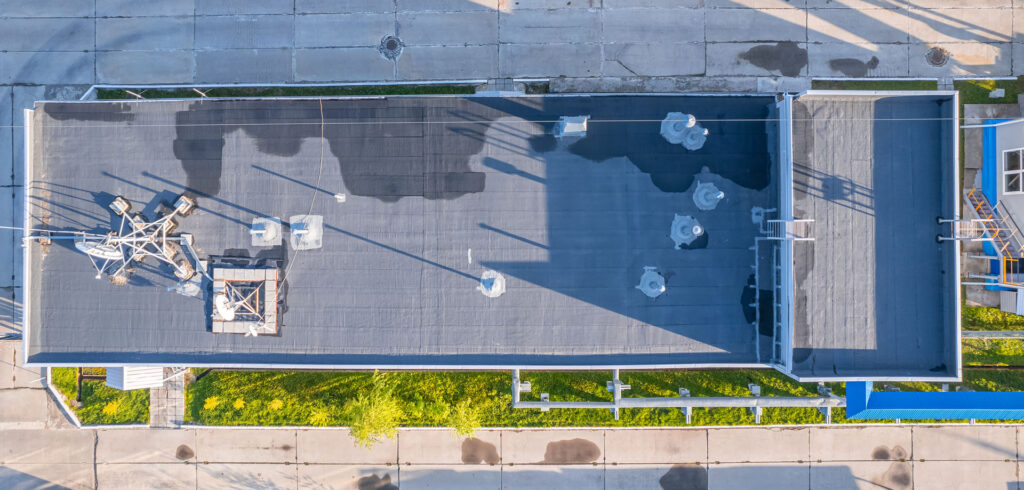
A flat roof or low-slope roof drains more slowly than a steep roof, so standing water is a warning sign. Age, installation quality, previous repairs, and many variables should determine how aggressive the plan is.
Keep a roof profile with installation date, materials, square footage, slope, key penetrations, and old leak locations. Add a simple roof map showing drains, seams, rooftop units, edges, and parapet walls.
Building a Commercial Roof Maintenance Plan
Establishing a roof maintenance plan tailored to a building’s specific requirements is essential for ensuring the roof remains in peak condition.
Build the plan this way:
- Set routine maintenance inspections at least every six months, usually spring and fall.
- Add inspections after severe wind, hail, heavy rain, or other extreme weather.
- Prioritize older roofs, especially 15+ years, roofs with leaks, and roofs with heavy rooftop equipment.
- Define tasks: inspect membrane seams, flashing, drains, penetrations, parapets, gutters, and the roof surface.
- Budget in cents per square foot based on size, access, age, and condition.
- Keep a contingency for necessary repairs and small repairs.
Scheduling routine maintenance inspections helps ensure that roof maintenance is not overlooked, ultimately saving time and money by addressing issues as they arise.
Creating and Using a Roof Information File
Maintaining a comprehensive roof information file that includes details about the roof’s age, materials, and maintenance history can help anticipate potential problems and guide future maintenance efforts.
Include:
- Original plans, installation date, contractor details, product data sheets, and warranties with maintenance requirements highlighted
- Every inspection report, photos, moisture testing results, and repair proposals
- A leak log with dates, locations, common causes, final fix, and who completed the repairs
Keep the file digital and backed up. Share it with building owners, facility staff, and the primary roofing contractor. It helps compare quotes and supports warranty or insurance discussions after a major storm.
Regular Inspections: When and What to Look For
Inspections are the backbone of maintenance. Most commercial roofs should be inspected at least twice a year, commonly March–April and September–October, adjusted for local climate.
Regular inspections should be scheduled at least twice a year and after severe weather events to identify minor issues before they escalate into major problems. Inspections should be performed after severe weather events, as storms can cause subtle damage that may weaken the roof’s integrity over time.
Check for:
- Punctures, blisters, cracks, and worn areas
- Open seams or loose flashing
- Flashing cracks or gaps, which are common leak points
- Expansion joint damage
- Loose edge metal or coping
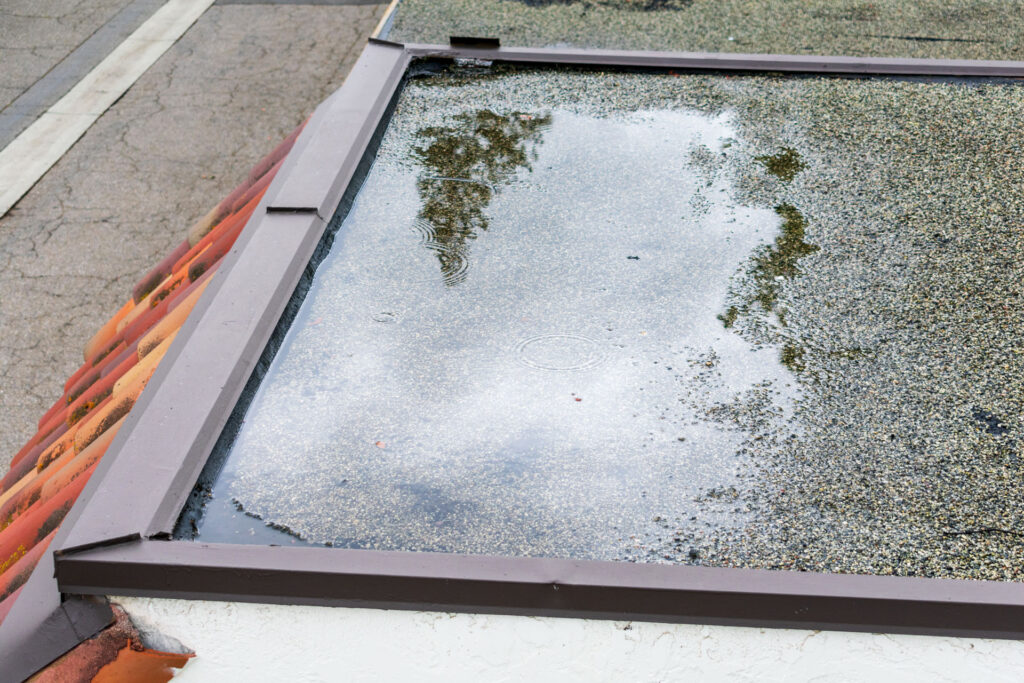
- Ponding water lasting 48+ hours
Identifying areas of ponding water indicates a need for repair to improve drainage. Also inspect interiors for water stains, bubbling paint, odors, and damaged ceilings.
How to Perform a Basic Roof Walkthrough Safely
Safety comes first. Use proper ladders, guardrails, and fall protection where required. Do not walk near edges without protection.
For a basic walkthrough:
- Bring a checklist and camera
- Walk the perimeter first, then rows across the field of the roof
- Mark signs of potential damage on a roof sketch
- Note distance from roof hatches, drains, or large units
- Call a commercial roofing contractor for sagging, large ponding areas, or widespread wrinkles
A professional should inspect anything that looks structural or unsafe.
Cleaning and Preventative Maintenance Tasks
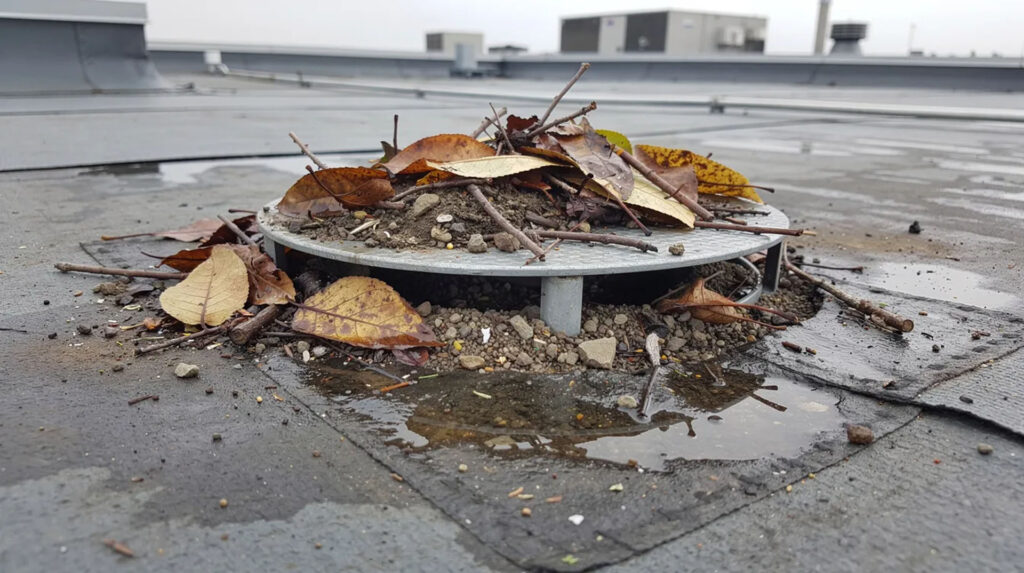
Many common problems start with debris and ignored minor damage. Keeping drains, gutters, and scuppers free of debris prevents ponding water, which can lead to leaks and structural damage.
Key practices for commercial roof maintenance include conducting professional inspections at least twice a year, clearing debris from drains, and prompt repair of minor damage.
Also:
- Remove leaves, trash, branches, and organic growth
- Trim overhanging trees
- Watch for birds, rodents, and damaged insulation
- Seal small punctures
- Replace cracked sealant at penetrations
- Reset loose fasteners on metal roofs
Promptly repairing small issues like cracks and punctures can prevent them from becoming major costly problems. Ignoring preventative maintenance can lead to minor repairs turning into extensive and costly repairs, as small issues can worsen over time if not addressed promptly.
Managing Foot Traffic and Roof-Mounted Equipment
Flat roofs often double as work areas for HVAC, electrical, IT, and solar crews. That traffic can crush insulation, scratch membranes, or create holes.
Protect the roof by adding walkway pads from access points to frequently serviced equipment. Label approved paths and limit roof access to authorized people.
After other trades finish maintenance work, have a roofing professional inspect nearby areas. Check HVAC units, satellite mounts, solar arrays, rusted supports, loose panels, and condensate lines that may dump water onto the roof surface.
After Severe Weather and Major Storm Events
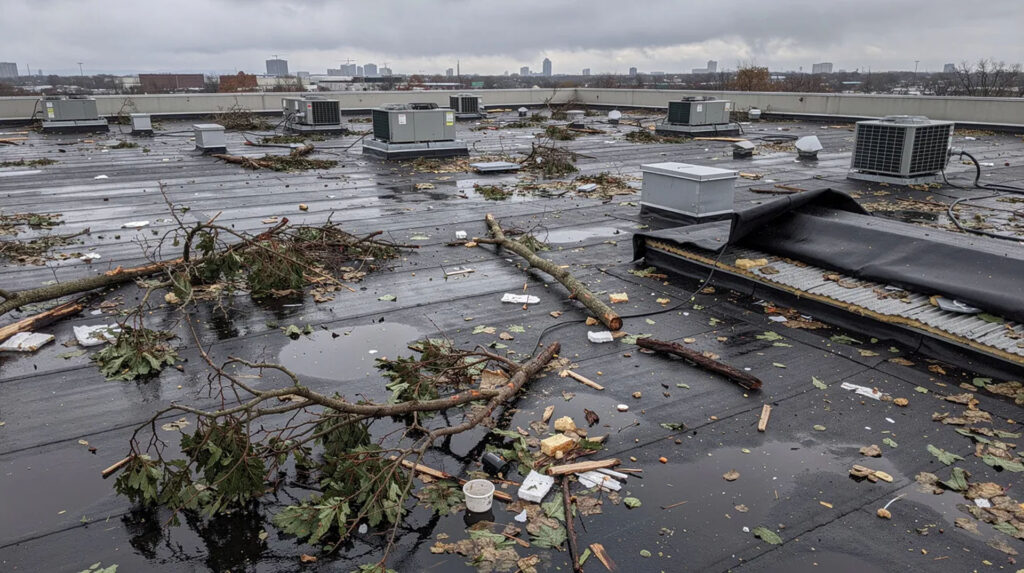
Storms can damage a roof even when there are no immediate leaks. High winds and hail can loosen flashing, dent panels, shift ballast, and shorten roof life.
Schedule a targeted inspection within 24–72 hours after hail, straight-line winds, heavy rain, or tree impact. Look for fresh punctures, dented metal, displaced materials, clogged drains, and interior water stains.
Photograph and date damage before temporary repairs, then save it in the roof file. If hailstones were larger than about 1 inch or wind lifted edge materials, contact a licensed professional roofing contractor for a thorough inspection.
Working With a Professional Commercial Roofing Contractor
Professionals are essential for complex repairs, warranty work, and long-term planning. It’s advisable to hire a professional roofing contractor for thorough inspections at least once a year, as they can identify issues that may be missed by untrained eyes.
When choosing a roofing contractor, ensure they are licensed and insured, as this indicates adherence to industry standards and protects you from potential liabilities. Researching contractor options should prioritize quality of work and safety practices over cost, as this can significantly impact long-term roofing costs.
Ask the right contractor for:
- Commercial roof experience with your roofing system
- References from similar buildings
- A written inspection scope with photos
- Clear repair recommendations and timelines
- A documented maintenance plan
- Options ranging from targeted repairs to roof coating restoration or replacement
Cost Expectations: Maintenance vs. Replacement
If you are budgeting inspections as part of your maintenance plan, this breakdown of commercial roof inspection cost can help set expectations before scheduling.
Routine maintenance is significantly cheaper than emergency repairs, with neglected roofs potentially costing over 200% more in repairs due to waterlogged insulation.
Typical comparisons:
- Preventative maintenance: a few to several cents per square foot per visit
- Small repair patches: far less than full tear-off
- New roof replacement: several dollars per square foot or more, depending on access, height, materials, and complexity
For a 10,000-square-foot roof, even $0.25 per square foot per year is about $2,500 annually. That is often a fraction of one premature replacement or a major leak event.
Long-Term Planning and Extending Roof Life
Commercial roofing maintenance is part of asset planning. Track the roof’s condition so you can forecast coating, overlay, or replacement before the decision becomes urgent.
Regular preventative maintenance can help ensure a leak-free roof, which is crucial for protecting valuable assets inside a building. Consistent care can add 5–10+ years to many commercial roofs when problems are found early.
A roof coating or overlay may be possible when the structure is sound but the surface is aging. Coordinate maintenance, repairs, and future replacement with finance, operations, lease cycles, and business growth plans.
Conclusion: Turning Commercial Roof Maintenance Into a Routine
A commercial roof needs regular attention. Routine inspections, cleaning, documentation, and prompt repairs keep small problems from becoming leaks, water damage, and emergency repairs.
Use a clear framework: know your roof, create a plan, keep a roof information file, schedule regular inspections, act quickly after storms, and work with a qualified contractor.
Pick a date for your next inspection, gather your records, and organize your maintenance file within the next 30 days. Properly maintaining your roof helps protect the building, keep your business safe, and keep the roof in its best shape for years.