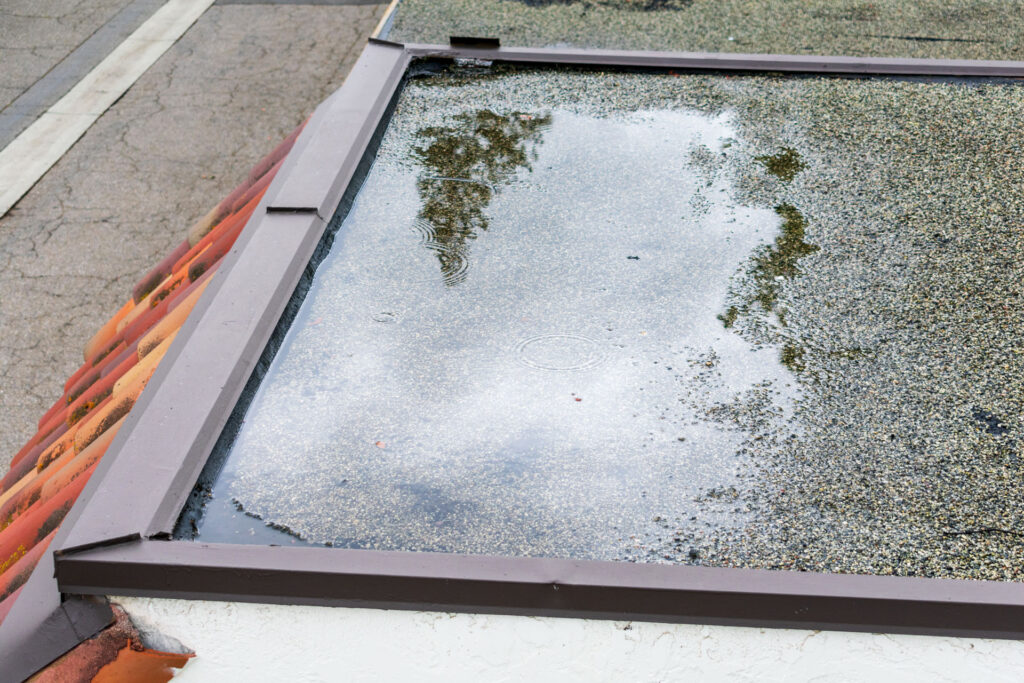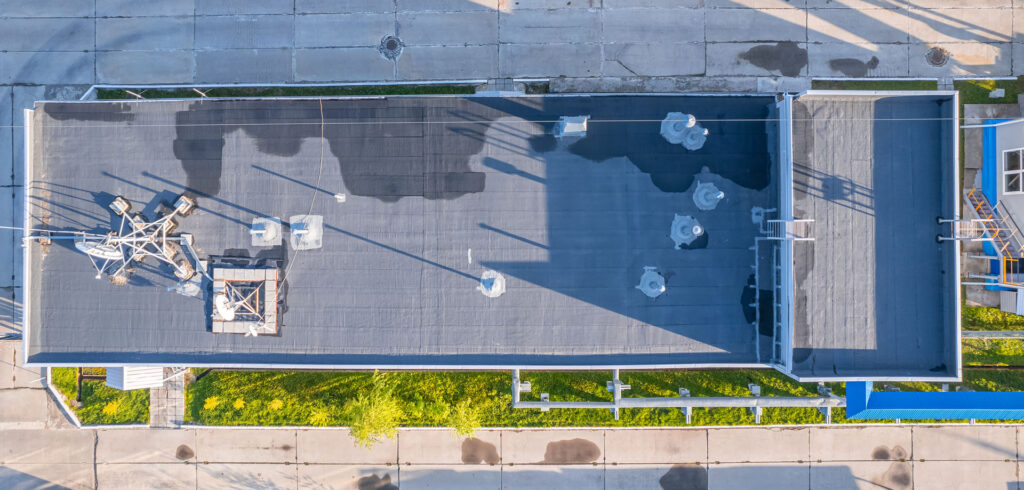
September’s severe storms brought damaging winds and downed branches to Plymouth. Billy’s Roofing says fall is a good time to check for roof damage before snow, ice and clogged gutters turn small problems into winter leaks.
PLYMOUTH, Mich. The severe storms that moved through Southeast Michigan in early September may already feel like old news, but Billy’s Roofing is encouraging Plymouth homeowners to take one more look at their homes before winter arrives.
On Sept. 2, the National Weather Service recorded numerous large tree branches down and power outages around Plymouth. The damage occurred as a line of severe thunderstorms moved across Southeast Michigan, producing widespread straight-line winds estimated at 60 to 70 mph.
For a roof, that kind of wind can do more than knock down a tree limb.
Missing shingles may be easy to spot. Other damage can be less obvious, including lifted or creased shingles, loosened flashing, damaged gutters or shingles that have partially broken their seal without blowing completely off the roof.
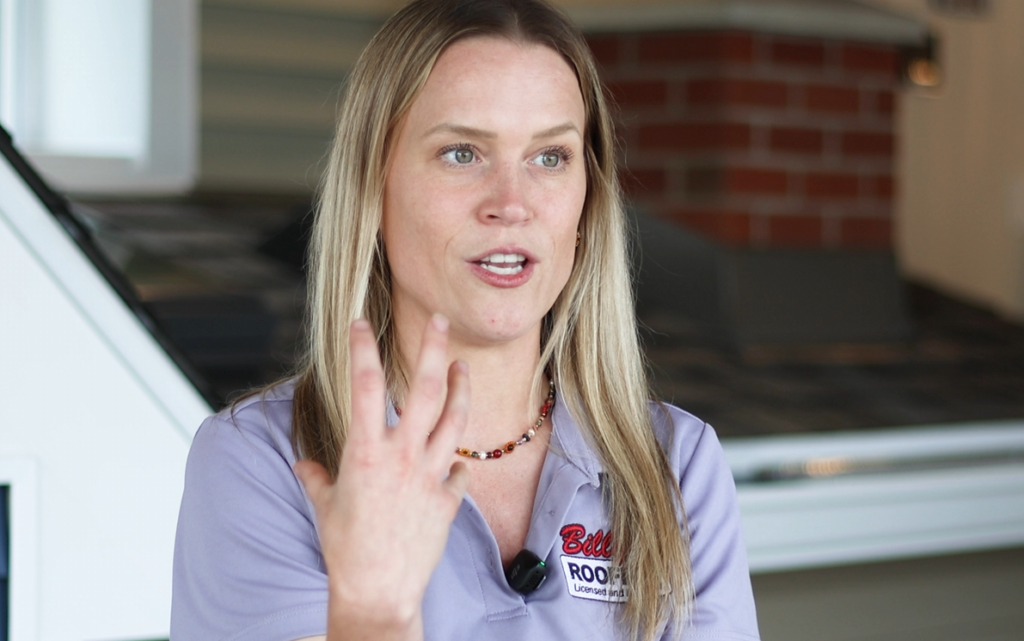
“After a windstorm, homeowners usually notice the big things first, like a branch down or shingles lying in the yard,” said Katelyn, a roof inspector and project manager with Billy’s Roofing. “But sometimes it’s one lifted shingle, a piece of flashing or an area that just doesn’t look quite right. Those are the things you want to figure out before snow and ice are sitting on top of the roof.”
September’s Storm Is Gone. The Damage May Not Be.
A roof does not have to start leaking immediately after a storm to have been damaged.
That becomes more important as Southeast Michigan heads toward winter.
Snow, repeated freezing and thawing, and ice dams can introduce water into places that stayed dry during the fall. Ice dams form when snow melts higher on the roof and refreezes near the colder eaves. Additional meltwater can then collect behind the ice and work its way underneath shingles.
Existing storm damage can make that situation worse. A missing or compromised shingle does not cause an ice dam, but it can leave part of the roofing system more vulnerable if water begins backing up beneath the shingles.
Dirty gutters can add another problem.
Leaves, sticks and other fall debris can restrict drainage through gutters and downspouts. When snow begins melting, that water needs somewhere to go. The State of Michigan recommends keeping gutters and downspouts clear because poor drainage can contribute to ice damming and water backing up beneath roofing materials.
The result can extend beyond damaged shingles. Water that enters the roof system may eventually reach roof decking, insulation, ceilings, walls and other parts of the home.
Fall Windstorms Are Nothing New in Southeast Michigan
September’s storm was significant, but damaging wind is not strictly a summer problem in Michigan.
Southeast Michigan has experienced damaging wind events well into late fall. On Nov. 17, 2013, for example, the National Weather Service recorded a 70 mph wind gust in Ypsilanti and a 56 mph gust at Detroit Metro Airport during a widespread high-wind event.
Billy’s Roofing has seen the same kinds of problems on Plymouth-area homes after high-wind weather, including missing shingles, shifted flashing, damaged gutters and tree limbs on roofs.
“We’ve seen the same kinds of problems on Plymouth-area homes after high-wind weather: a few shingles gone, flashing moved, gutters damaged or branches on the roof,” Katelyn said. “Sometimes it’s a small repair. Sometimes there’s more going on than you can see from the driveway. The point isn’t to assume the worst. It’s to find out what you actually have before another storm or winter weather makes it worse.”
What Plymouth Homeowners Can Look For
Homeowners can do a basic visual check without climbing onto the roof. Billy’s Roofing recommends looking from the ground for signs such as:
- Missing shingles or pieces of roofing material in the yard
- Shingles that appear lifted, curled, creased or out of alignment
- Tree limbs that struck or scraped the roof
- Loose or visibly damaged flashing
- Bent, loose or damaged gutters and fascia
- Heavy leaves or debris filling gutters
- Unusual amounts of shingle granules near downspouts
- New water stains or moisture in the attic or on ceilings
If something looks questionable, take photos from the ground when possible and avoid climbing onto a wet, steep or damaged roof.
Does a Small Amount of Storm Damage Mean You Should File an Insurance Claim?
Not necessarily.
A missing shingle or minor repair does not automatically mean an insurance claim makes sense.
The better first step is understanding how much physical damage actually occurred. Billy’s Roofing can inspect the roof, photograph what it finds and explain whether the damage appears isolated or more widespread, but the company does not determine insurance coverage.
Coverage, deductibles and reporting requirements vary by policy. The Michigan Department of Insurance and Financial Services advises homeowners with storm damage to document the loss, take reasonable steps to prevent additional damage and contact their insurance company or agent about coverage and the claims process.
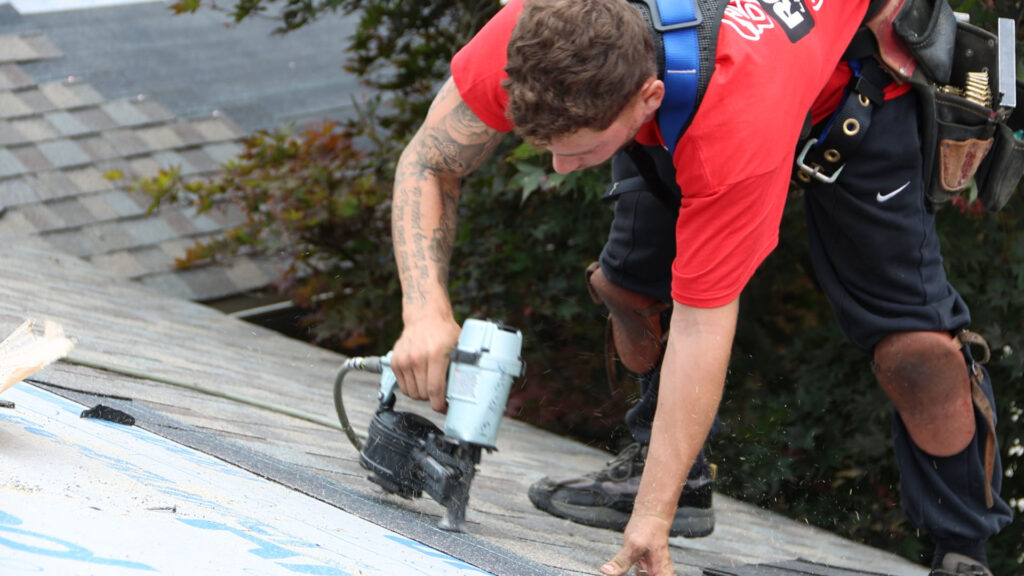
“We’re not looking to turn every loose shingle into an insurance claim,” Katelyn said. “If you think you see damage but you’re not sure, call us. We can check it out, show you what we’re seeing and explain whether it’s something that needs to be fixed.”
Homeowners who want help evaluating possible storm damage can learn more about Billy’s Roofing in Plymouth or contact the Plymouth team for an inspection.
About Billy’s Roofing
Billy’s Roofing is a family-run Southeast Michigan roofing company founded by Billy Mills in 1988. The company provides roof inspections, roof repair, storm damage assessment, roof replacement and gutter services for homeowners throughout the region.
Billy’s Roofing operates a Plymouth showroom at 1270 S Main St, Plymouth, MI 48170. The Plymouth office can be reached at (734) 945-5700. Showroom hours are Monday through Friday from 9 a.m. to 3:30 p.m., with Saturdays available by appointment.