Key Takeaways
- Attic ventilation is about moving air so the attic temperature stays close to the outdoor temperature year-round, reducing stress on your roof and home.
- Common signs of poor attic ventilation include a very hot attic in summer, moisture or frost on wood surfaces, mold or musty smells, ice dams in winter, and shingles that age faster than expected.
- These problems can lead to roof damage, potential mold growth, and possible issues with your roof warranty.
- Most attics need balanced airflow with intake vents at the soffits and exhaust vents near the ridge to work properly.
- Billy’s Roofing can inspect both the attic and roof exterior to evaluate ventilation and recommend practical fixes.
Table of Contents
If your attic feels like an oven in summer, you’ve spotted frost on the underside of your roof deck in winter, or your shingles seem to be wearing out faster than they should, poor attic ventilation could be the cause. Most homeowners don’t think about their attic until something goes wrong. This article walks through what attic ventilation is, how it works, and the warning signs that indicate your home may have attic ventilation issues.
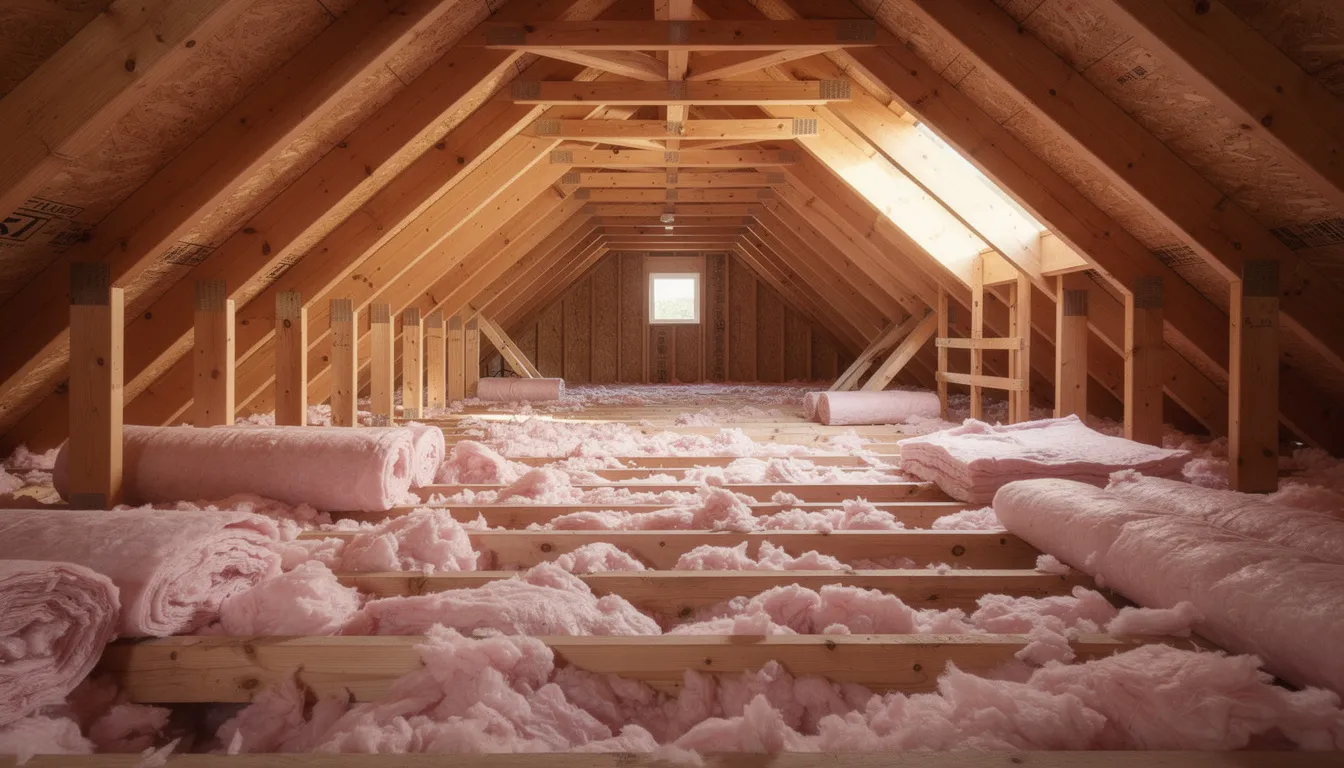
What Is Attic Ventilation and Why It Matters
Before looking at warning signs, it helps to understand what attic ventilation actually means and why attic ventilation matters for your roof and home.
Attic ventilation is the controlled movement of air through your attic space. It’s not simply having vents installed somewhere on the roof. True ventilation means fresh air flows in, circulates through the attic, and exits continuously. The goal is to keep the attic temperature and humidity close to ambient outdoor temperatures in every season.
In winter, proper attic ventilation helps reduce condensation. When warm, moist air from your living spaces rises into a cold attic, it can hit the underside of the roof decking and condense into water droplets. Over time, this moisture soaks into wood, rusts nails, and creates conditions where mold growth can start. Good ventilation carries that moist air out before it becomes a problem.
In summer, the opposite issue occurs. Without proper airflow, hot air gets trapped in the attic. Attic temperatures can climb dramatically above outdoor levels, essentially baking your shingles from below while the sun heats them from above. This excessive heat accelerates shingle aging, softens adhesives, and can radiate down into your upstairs rooms, making them stuffy and hard to cool.
In Metro Detroit’s climate, where winters are cold and summers can be hot and humid, balanced attic ventilation plays a critical role in protecting your roof and keeping your home comfortable.
How Does Attic Ventilation Work?
The basic concept is simple: a ventilation system needs both intake and exhaust working together to create continuous airflow.
Most modern homes are designed with intake vents at the lower edges of the roof, typically in the soffits under the eaves. These soffit vents pull in cooler outside air at the roof’s lowest points. As that air warms, it naturally rises through the attic space.
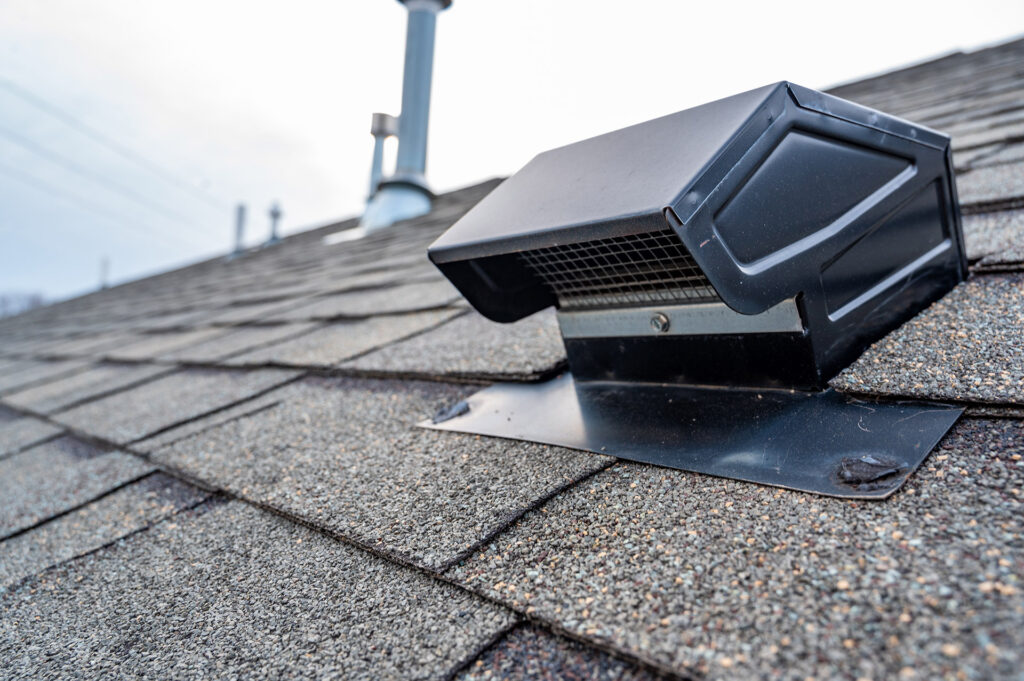
At the attic’s highest points, exhaust vents let the warm air escape. Ridge vents along the peak of the roof are common, as are box vents or other types of roof vents positioned on the steeper parts of the roof slope. The warm air exits, creating a continuous convective loop that keeps air moving.
For this system to work effectively, the intake and exhaust need to be balanced. If there’s plenty of exhaust but the soffit vents are blocked, air flows from inside the house instead of outside. If intake is fine but exhaust is limited, warm air stagnates at the top. Either imbalance breaks the system.
Common problems that disrupt this airflow include:
- Insulation stuffed into eave spaces, blocking soffit vents
- Painted-shut or debris-covered gable vents
- Insufficient ridge vent coverage
- Missing vent baffles that keep insulation from creeping into intake areas
Homes with vaulted ceilings or cathedral ceilings without a traditional attic still need a similar air channel. A small gap between the insulation and the roof deck allows air to move from soffit to ridge, even when there’s no walkable attic space.
Top Signs of Poor Attic Ventilation
This section covers the specific red flags that suggest your attic may not be ventilated properly. One sign alone doesn’t prove a problem, but if you notice several of these warning signs together, it’s a strong clue that your attic needs attention.
Each of these signs connects back to trapped heat, trapped moisture, or both. Recognizing warning signs early can help you address problems before they cause lasting damage to your roof or home.
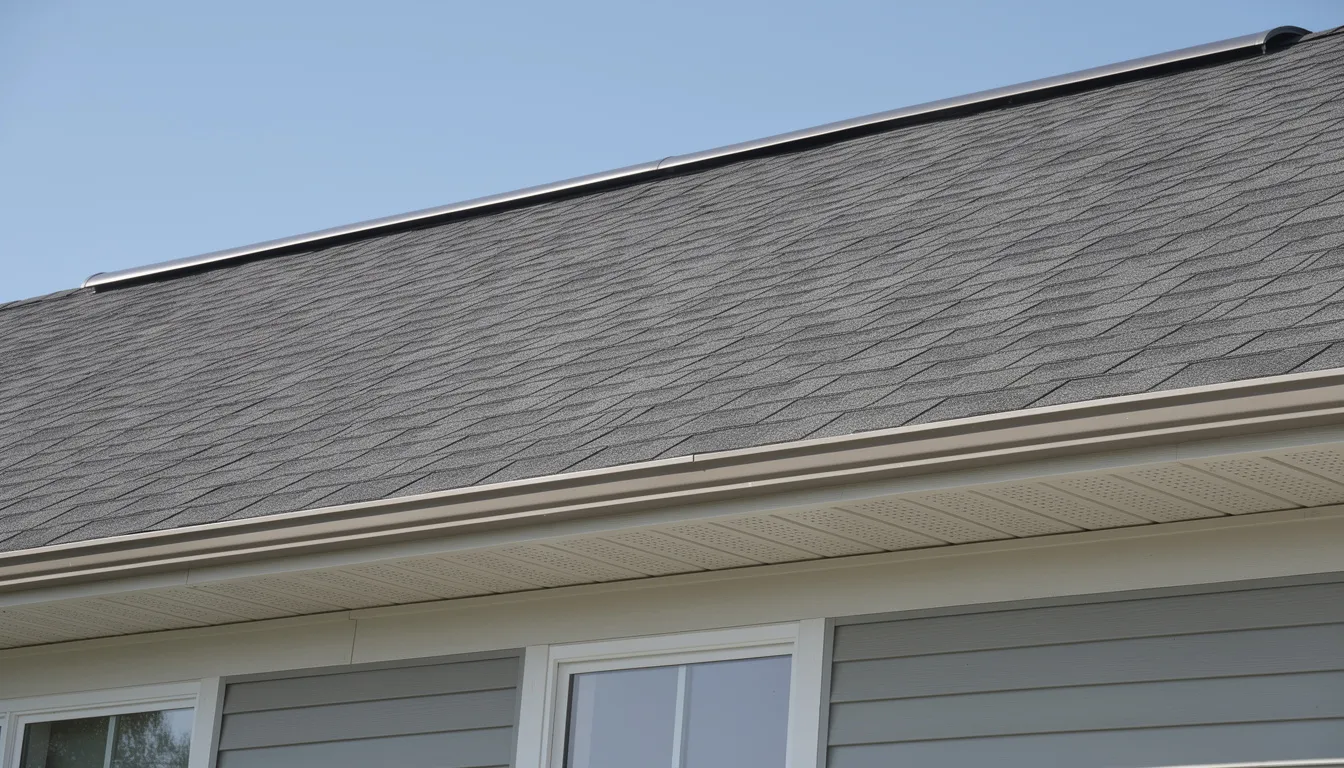
Attic That Feels Like an Oven
A hot attic on a summer day might seem normal, but there’s a difference between warm and unbearable. In a poorly ventilated attic, temperatures can climb 50 to 100 degrees higher than the outdoor temperature. If it’s 90°F outside and your attic feels like 150°F or more, that’s a problem.
You can do a simple check. On a typical July or August afternoon in Southeast Michigan, step into your attic briefly (be careful on hot surfaces) or use a basic digital thermometer. If the attic temperature dramatically exceeds the ambient outdoor temperatures, the space isn’t venting properly.
This excessive heat has real consequences:
- Shingles age faster when heat radiates from below
- Roof decking can soften or warp over time
- Upstairs rooms never feel comfortable, no matter how hard the HVAC units work
- Energy bills climb as your cooling system struggles to keep up
Moisture, Frost, or Water Stains on Attic Wood
Visible moisture on hard surfaces inside your attic is one of the clearest signs of poor ventilation. In cold weather, look for frost forming on the underside of the roof decking or on the rafters. In warmer months, you might see dampness, dark water stains, or ring-shaped marks on the wood.
Typical indicators include:
- Frost or ice crystals on plywood during winter months
- Rusted nails or rust stains on nail tips poking through the decking
- Damp or compressed insulation
- Water stains on the attic ceiling or attic floor
This happens when warm air from your living spaces rises into the attic and meets cold roof surfaces. Without exhaust vents to carry that moist air out, condensation forms. If left untreated, this recurring moisture weakens wood, promotes rot, and creates a breeding ground for mold.
Musty Odors or Visible Mold in the Attic
A persistent musty smell when you enter your attic often points to chronic moisture and poor air movement. If the attic smells like an old basement, there’s likely excess moisture that hasn’t been able to dry out.
Visible mold appears as discolored patches on wood surfaces. Common colors include black, brown, gray, or whitish spotting on the underside of roof decking or along rafters. Mold in the attic isn’t just a surface issue. It’s a symptom of underlying ventilation and moisture problems.
If you suspect mold, avoid disturbing it. Mold spores can cause health problems, including sore throats, coughing, eye irritation, and worsened respiratory conditions according to CDC guidelines.
The connection to attic ventilation for mold prevention is direct: when air flows properly, moisture doesn’t linger on cold surfaces, and mold doesn’t get the damp environment it needs to grow.
Shingles That Curl, Crack, or Lose Granules Early
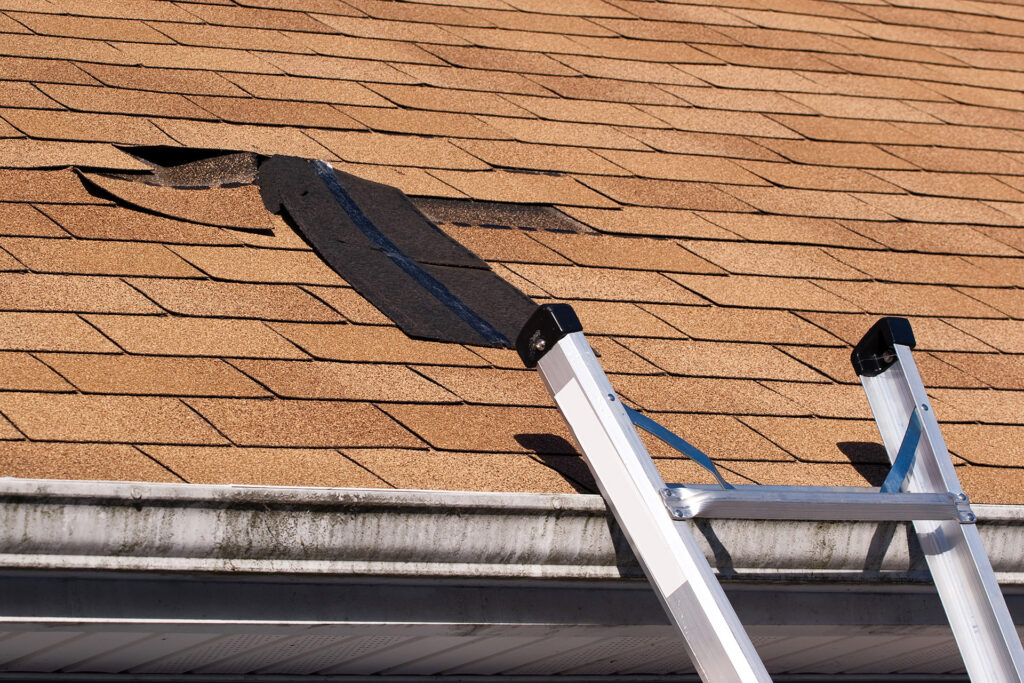
Take a look at your roof from the ground. If you notice curled shingle edges, cracked tabs, bald spots where granules are missing, or shingles that appear wavy, your roof may be aging prematurely.
Brittle shingles and early wear can be linked to trapped attic heat. When excessive heat builds up in the attic, it essentially bakes the shingles from below while the sun ages them from above. This can shorten shingle life significantly, with roofs wearing out in 10 to 15 years instead of the 20 to 30 years expected from quality materials.
These symptoms can also result from age, storm damage, or manufacturing issues. A proper roof inspection helps determine whether poor ventilation is contributing to the problem. When Billy’s Roofing evaluates a worn roof, we also look at attic ventilation to avoid repeating the same issue on a new roof.
Ice Dams and Heavy Icicles Along the Roof Edge
In winter, improper attic ventilation can create extreme roof temperatures. Heat escaping into the attic warms the upper sections of the roof. Melted snow runs down toward the colder eaves and gutters, where it refreezes into thick ice ridges.
Warning signs include:
- Heavy ice buildup along the gutter line after snowstorms
- Long rows of large icicles hanging from the roof edge
- Water stains on ceilings near exterior walls in late winter
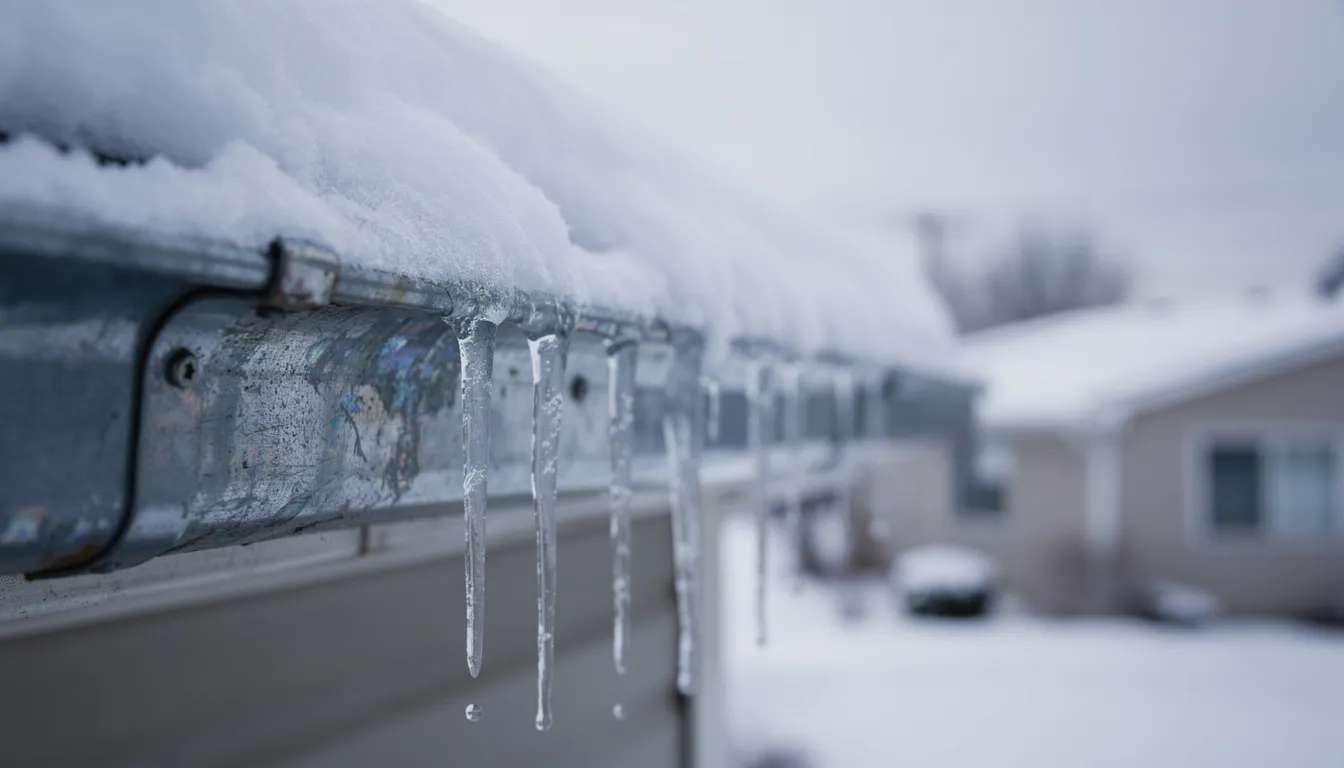
These ice dams can force water to back up under shingles, leading to leaks that damage shingles, ceilings, and insulation. They also stress gutters and fascia boards.
Fixing ice dams requires addressing the root cause. Insulation, air sealing, and ventilation all work together to keep the roof deck uniformly cold. If the attic stays close to outdoor temperature, snow doesn’t melt unevenly, and ice dams don’t form.
Upstairs Rooms That Are Hard to Heat or Cool
Do your second-floor rooms feel stuffy and warm in summer, or noticeably colder than the main level in winter? While HVAC systems, ductwork, and insulation all affect room temperature, a poorly ventilated attic can be a contributing factor.
Real-world examples include:
- Bedrooms over the garage that are always uncomfortable
- Top-floor rooms that require the thermostat to be set much higher or lower to feel right
- A noticeable temperature difference of several degrees between floors
If you’re dealing with comfort problems plus other signs like visible attic moisture, ice dams, or early shingle wear, the attic is worth investigating. Poor airflow above your ceiling can negatively impact the temperature of the rooms directly below.
How to Know What Your Home Actually Needs
Guessing based on one symptom can lead to wasted money on fixes that don’t solve the real problem. A proper evaluation is the best starting point.
Billy’s Roofing typically starts with both an exterior roof inspection and an interior attic inspection when ventilation problems are suspected.
Attic inspection elements:
- Type and quantity of existing vents
- Whether soffit vents are blocked by insulation or debris
- Condition of roof decking (stains, moisture, mold, rot)
- Insulation layout and any gaps or compressions
- Signs of condensation, frost, or rust stains on nails
Exterior inspection elements:
- Existing roof vents and their condition
- Ridge line coverage
- Roof age and visible shingle distress
- Any damaged flashing or vent caps
The goal is to determine whether the home needs more intake, more exhaust, both, or changes to insulation that is blocking airflow. Billy’s Roofing provides written findings and recommended ventilation improvements as part of any roof repair or roof replacement plan.
What About Homes With Vaulted Ceilings or No Traditional Attic?
Rooms with vaulted ceilings, cathedral ceilings, or very shallow attic spaces still need a path for air to move between the insulation and the roof deck. Without this, the roof section is essentially unventilated.
The solution involves vent channels or baffles that create a small air space, typically 1 to 2 inches, running from the soffit up to the ridge. This allows air to flow even when there’s no walkable attic.
Without this airflow path, these roof sections can develop:
- Hot spots that accelerate shingle aging
- Cold spots that lead to condensation
- Hidden moisture damage that’s hard to detect from inside
Evaluating vaulted ceiling ventilation usually requires a roofing professional because access is limited from inside the home.
If You See Mold or Suspect Moisture Problems in the Attic
Discovering mold in your attic is concerning, but the problem is often fixable when the underlying causes are addressed.
Billy’s Roofing focuses on the roof and ventilation side of this issue: stopping leaks, improving proper airflow, and replacing any roof decking that is structurally compromised. We don’t provide mold remediation services or medical advice.
In many cases, if a roof is near the end of its life and mold is present, it makes practical sense to replace the roof and correct ventilation at the same time. During roof replacement, mold-affected or structurally damaged decking can be removed and replaced as needed to ensure the new roof goes on a structurally sound surface.
For testing, cleaning, or health-related questions about mold, consult appropriate mold remediation or indoor air quality specialists.
The key point: don’t ignore small mold patches or musty smells. They usually indicate ongoing condensation or ventilation problems that will continue without intervention.
How Ventilation Affects Roof Warranties
Shingle manufacturers typically require proper attic ventilation for their product warranties to remain valid. This isn’t a minor technicality.
“Proper” usually means meeting or exceeding building code requirements and the manufacturer’s specific ventilation guidelines for that roof system. Building codes often require a minimum ratio of ventilation to attic floor area, with balanced intake and exhaust.
Problems that can jeopardize warranty coverage:
- Inadequate intake or exhaust venting
- Blocked or improperly installed vents
- Unbalanced systems that create stagnant air zones
When trapped heat and moisture cause premature shingle failure, manufacturers may limit or deny warranty claims if the ventilation didn’t meet their standards.
Part of Billy’s Roofing’s process is to design and document the ventilation plan for each roof project. Homeowners receive clear information about what’s being installed, which provides documentation if warranty questions arise later.
Keep your roofing and ventilation documentation with your home records for future reference.
How to Improve Attic Ventilation Without Guessing
Simply adding random vents isn’t the solution. Balance and proper design matter.
Common corrective steps a roofing professional might recommend:
| Issue | Potential Fix |
|---|---|
| Blocked soffit vents | Clear debris, remove insulation, add baffles |
| Insufficient intake | Add soffit vents or edge vents |
| Insufficient exhaust | Add or upgrade ridge vents, box vents |
| Warm air leaks from house | Seal gaps around fixtures, pipes, attic access |
| Insulation covering soffits | Install vent baffles to maintain airflow channels |
Changes to insulation layout often go hand-in-hand with ventilation improvements. Baffles at the eaves keep insulation from blocking intake while maintaining proper coverage.
Every roof is different. The exact mix of intake vents and exhaust vents should be calculated based on the specific roof size and layout, not guessed at.
Avoid DIY structural changes like cutting new vent openings without a professional plan. This can create leaks, unbalanced airflow, or void warranties. A scheduled roof inspection or repair visit is a good time to have ventilation assessed as well.
How to Tell If Your Roofing Contractor Is Doing Ventilation Right
Ventilation is often overlooked in roof quotes, but it should be clearly addressed in writing.
Questions to ask any contractor:
- How will attic air move after this project is complete?
- Where does air come in, and where does it exit?
- What type and quantity of intake and exhaust vents will be installed?
What to look for in a proposal:
- Clear specification of vent types being installed or upgraded
- Approximate amounts of intake and exhaust (often measured in net free ventilating area)
- Mention of any needed corrections to existing ventilation
Be cautious of bids that focus only on new shingles with no mention of attic conditions or ventilation. If your current ventilation is inadequate, simply adding new shingles won’t prevent the same problems from recurring.
Billy’s Roofing includes ventilation assessment and scope in our roof replacement and major repair proposals so homeowners see exactly what is being improved.
When to Call Billy’s Roofing for an Attic Ventilation Check
Common triggers that warrant an evaluation:
- Attic that feels extremely hot in summer
- Ice dams or heavy icicles after winter storms
- Mold or musty odors in the attic
- Shingles wearing out faster than expected
- Persistent upstairs comfort problems
Homeowners in Southeast Michigan should consider scheduling an evaluation if their home is older, has had past ice dam problems, or shows several of the signs described in this article.
A typical visit includes inspecting the roof surface, checking existing vents, and looking inside the attic for moisture, airflow issues, and deck condition.
After the visit, Billy’s Roofing provides a written estimate for any recommended roof repairs, ventilation upgrades, or roof replacement options.
If your attic shows warning signs, don’t wait for small problems to become major roofing issues. Request an inspection to understand what’s happening in your attic and what it would take to fix it.
Frequently Asked Questions About Poor Attic Ventilation
These questions address common concerns that may not have been fully covered in the sections above. Answers are kept practical and focused on what homeowners can realistically do next.
Do attics always need ventilation, or are there exceptions?
Most traditional vented attics benefit from properly designed ventilation, especially in climates with cold winters and warm summers like Metro Detroit. Some specialized roof systems can be built as “unvented” using specific insulation and air-sealing methods, but this must be intentionally designed by a professional, not accidental.
If your home has existing vents, don’t block them or close off airflow without consulting a qualified roofing professional who understands local building codes and best practices.
How quickly can poor attic ventilation damage a roof?
Damage from poor ventilation usually develops over several seasons, not overnight. However, signs like shingle aging, moisture stains, or mold can appear within just a few years, especially in homes with high indoor humidity.
The exact timeline depends on roof design, shingle quality, indoor humidity levels, and local weather patterns. Once warning signs like heavy frost on decking, recurring ice dams, or visible mold appear, schedule an evaluation soon rather than waiting.
Can I fix poor attic ventilation myself?
Homeowners can safely do basic checks: look for blocked soffit vents from outside, peek into the attic for obvious moisture or frost, and inspect vent covers from the ground for damage or blockage.
However, designing and installing additional vents, cutting roof openings, or modifying insulation near eaves is best handled by a roofing professional. Improper work can create new leaks or result in unbalanced airflow that makes problems worse.
Will better attic ventilation lower my energy bills?
Proper attic ventilation can support more stable attic temperatures, which may help HVAC units work more efficiently. However, exact energy bills savings vary widely from home to home depending on insulation, air sealing, HVAC condition, and other factors.
Rather than focusing on specific energy efficiency numbers, think of ventilation as one part of a broader comfort and roof protection strategy. The main benefits are improved roof life, reduced moisture risk, and potentially more comfortable temperatures in upstairs living spaces.
Is poor attic ventilation the same as a roof leak?
They’re different problems, but they can produce similar symptoms. Water stains on ceilings, damp insulation, and marks on wood can result from either a roof leak or condensation from poor ventilation.
Condensation issues are often more widespread across the attic, while leaks tend to show up in specific spots, often near penetrations or flashing. In winter, condensation from ventilation problems is sometimes mistaken for an active leak.
A professional inspection helps determine whether the issue is a true leak, a ventilation problem, or both, so repairs can be targeted correctly.