Key Takeaways
- Roof repairs cover everything from replacing a few shingles to fixing chronic leaks, and a professional inspection is the first real step toward understanding what your roof needs.
- A roof can often be repaired instead of replaced if damage is localized and the roof is relatively young, but widespread wear or repeated leaks may point toward replacement.
- Cost factors for roof repairs include roof type, access difficulty, materials involved, and the extent of damage, not just square footage.
- After storm damage from high winds or heavy snow, look for missing shingles, new water stains inside, and dented vent covers, then schedule an inspection rather than waiting for an active leak.
- A professional inspection from a company like Billy’s Roofing helps you compare repair vs replacement options with clear documentation before committing to either path.
Introduction: What “Roof Repairs” Really Means for Your Home
When homeowners hear “roof repairs,” they often picture someone climbing up to replace a few shingles and calling it a day. In reality, the term covers a much broader range of work. Roof repairs can be as simple as reseating a lifted shingle or as involved as replacing sections of damaged decking, reworking flashing, and addressing ventilation problems that contributed to the damage in the first place.
This article is written from Billy’s Roofing’s perspective, with a focus on residential roofs. Many of the same principles apply to small commercial buildings, but the guidance here is aimed at homeowners trying to make sense of what their roof actually needs.
The goal of any roof repair is to stop water intrusion, protect your home’s structural integrity, and extend the useful life of your existing roof. It is not just about patching holes. A well-executed repair addresses the root cause of the problem so you are not dealing with the same issue again next season.
Repair and complete roof replacement sit at opposite ends of a spectrum. Some situations call for minor repairs that take a few hours. Others require a full replacement because the roof has aged out or damage is too widespread to fix piece by piece. The rest of this article will help you understand where your situation might fall on that spectrum. Keep in mind that guidance here is general. Every roof in areas like Southeast Michigan or Metro Detroit should be evaluated based on its own condition.
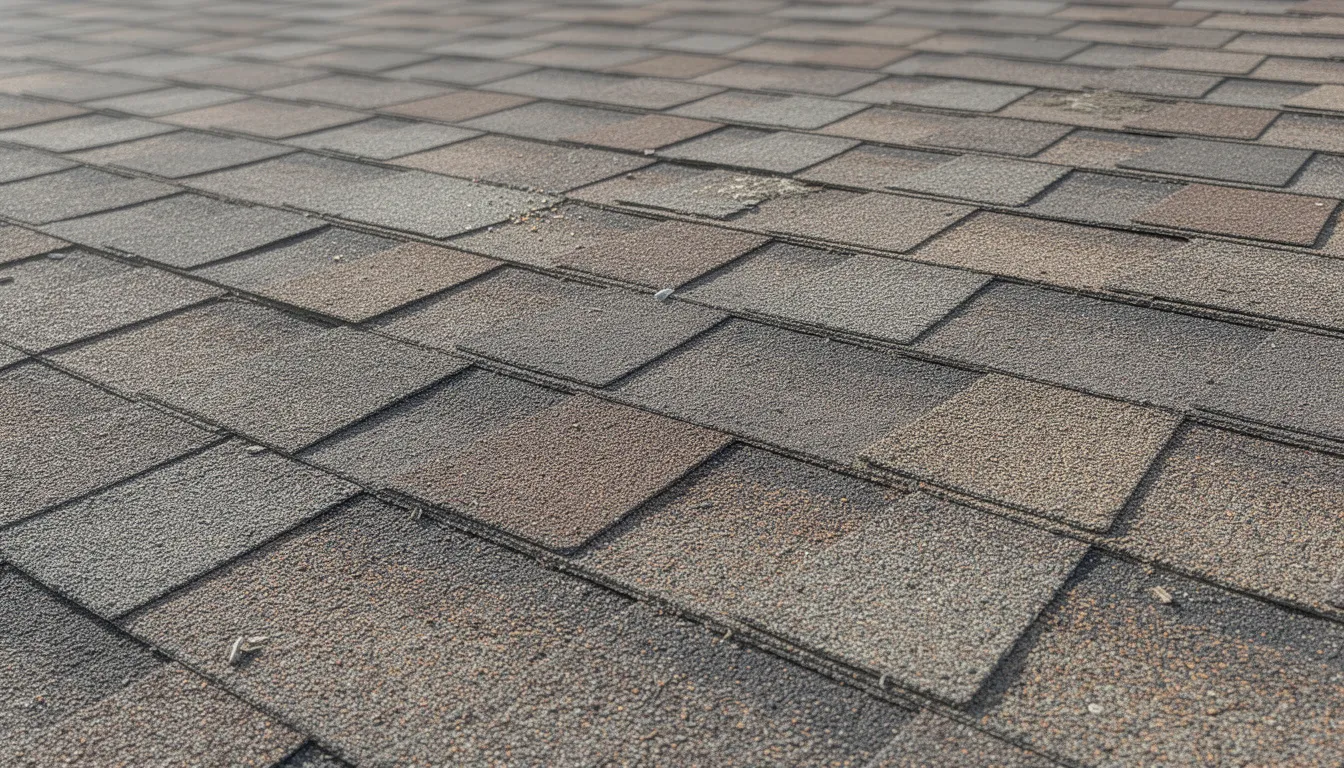
What Roof Repairs Typically Include
Roof repairs are not a single type of work. They vary based on what is actually wrong with your roof. Here are the most common repair categories Billy’s Roofing sees on asphalt shingle and low-slope roofs:
Shingle work:
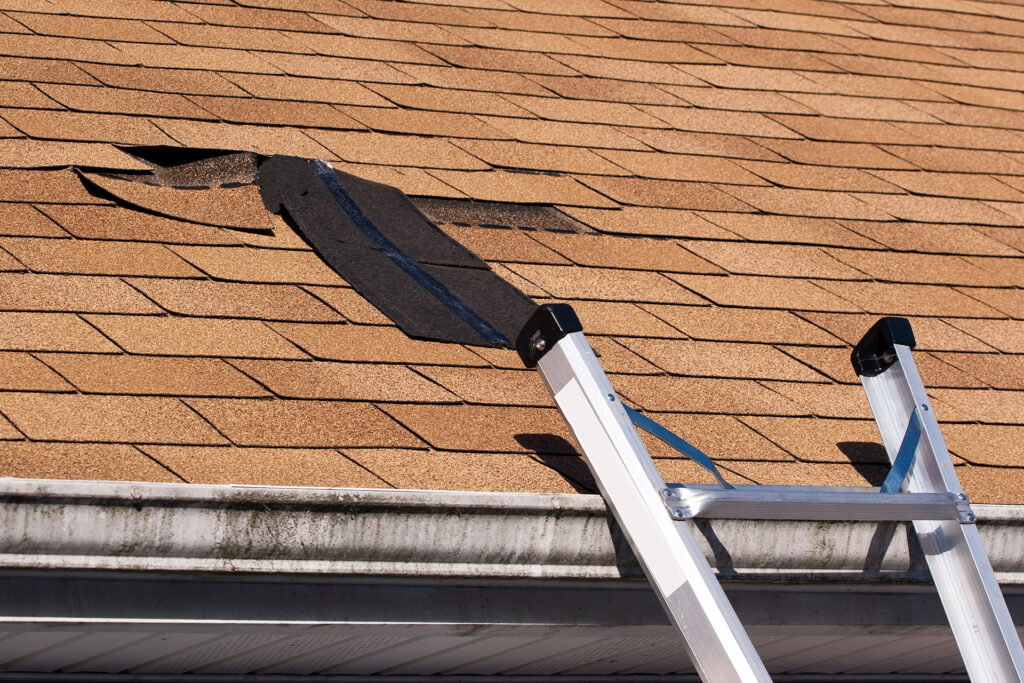
- Replacing missing or damaged shingles
- Securing lifted or curling shingles
- Addressing areas where asphalt roof shingles have lost significant granules
Flashing repairs:
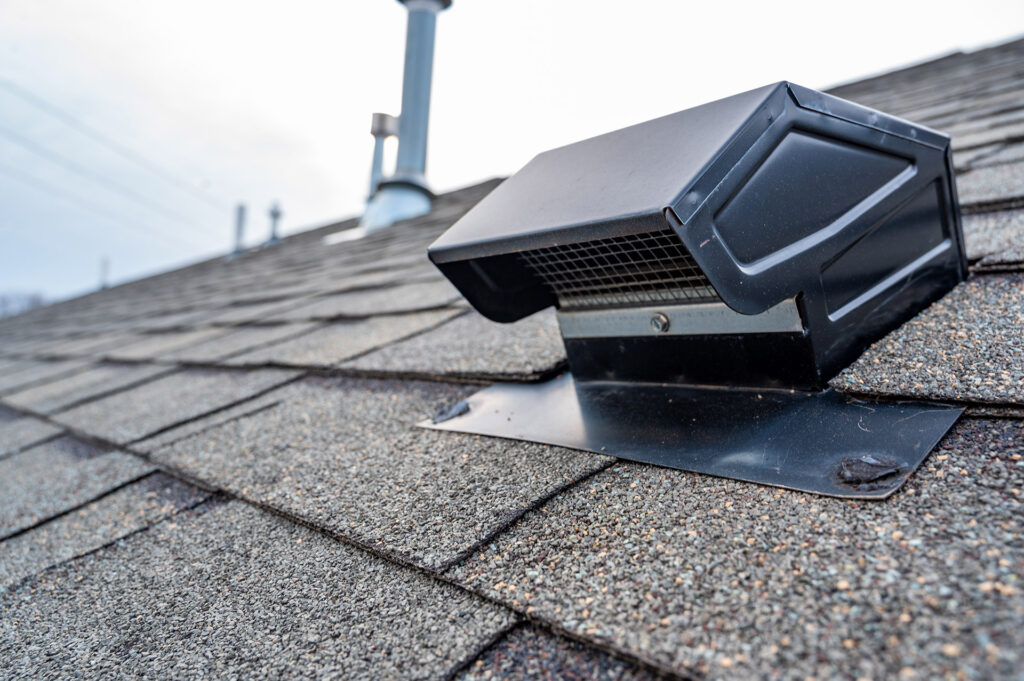
- Repairing or resealing roof flashing around chimneys, vent pipes, and skylights
- Correcting flashing that has pulled away from walls or roof edges
- Replacing rusted or cracked metal components
Leak repairs at vulnerable points:
- Fixing leaks at roof valleys where two slopes meet
- Sealing around penetrations like plumbing vents and exhaust fans
- Addressing nail pops where fasteners have backed out
Structural and decking work:
- Replacing small sections of rotten or water-damaged decking
- Reinforcing areas with soft spots
- Correcting underlayment problems beneath the surface
Ventilation-related repairs:
- Roof vent repair when damaged vents contribute to moisture buildup
- Improving attic ventilation when trapped heat and moisture cause premature shingle failure
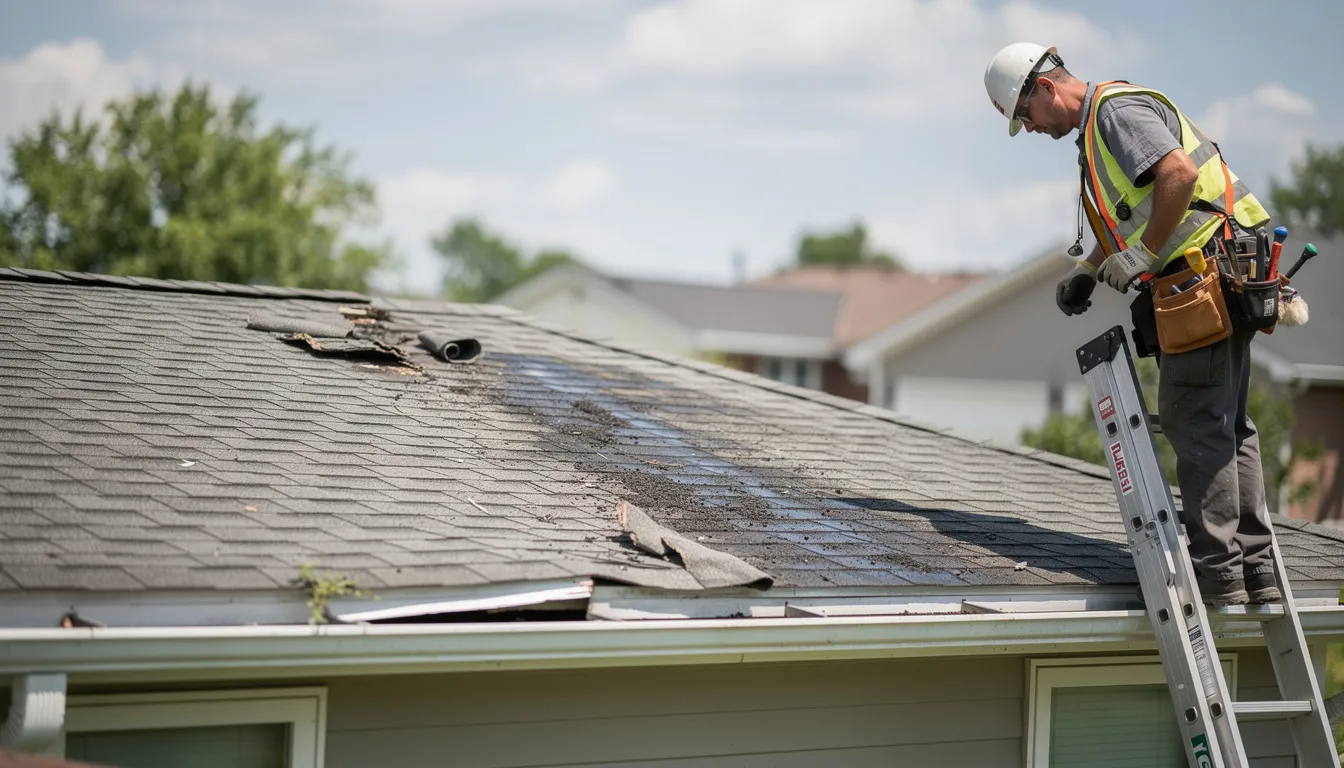
Repairs usually involve more than just swapping out visible shingles. Underlayment fixes, sealant application, and fastening corrections are often part of the job. After storm damage, you may see several of these repair types combined in a single visit, addressing shingles, flashing, vents, and sometimes decking all at once.
Common Problems That Lead to Roof Repairs
Most repair calls start with a visible symptom. A drip in the kitchen. A water stain spreading across the ceiling. Missing shingles in the yard after a storm. But the visible symptom is rarely the whole story.
Wind and weather damage:
- Wind-blown shingles that have torn or lifted
- Hail damage that bruises roof shingles without immediately puncturing them
- Storm damage that loosens flashing or dislodges ridge caps
Flashing and sealant failures:
- Cracked or pulled-away flashing at chimneys and walls
- Failed sealant around vents and skylights that allows water penetration
- Popped nails that create small holes in the roofing material
Cold climate issues:
- Ice dams forming along eaves when heat escapes through the roof
- Backed-up meltwater pushing under shingles during freeze-thaw cycles
- Heavy snow loads stressing older roofing systems
Drainage problems:
- Clogged gutters that push water back under the roof edge
- Poorly sloped gutters that overflow into fascia and soffits
- Water pooling on flat roof membranes due to settling or debris
Hidden contributors:
- Poorly vented attics that cause premature shingle curling and degradation
- Membrane punctures on low-slope roofs from foot traffic or fallen branches
- Moisture trapped in the attic leading to further damage over time
Understanding what causes a roof leak matters because fixing only the visible symptom without addressing the underlying cause means the problem will come back.
Signs You Need Roof Repair Now
Catching problems early almost always keeps repair scope smaller and helps you avoid more invasive work. Here is what to watch for.
Interior warning signs:
- New water stains on ceilings or upper walls
- Peeling paint near the ceiling line
- Musty smells in the attic after rain
- Extensive water damage on drywall or plaster
Exterior warning signs:
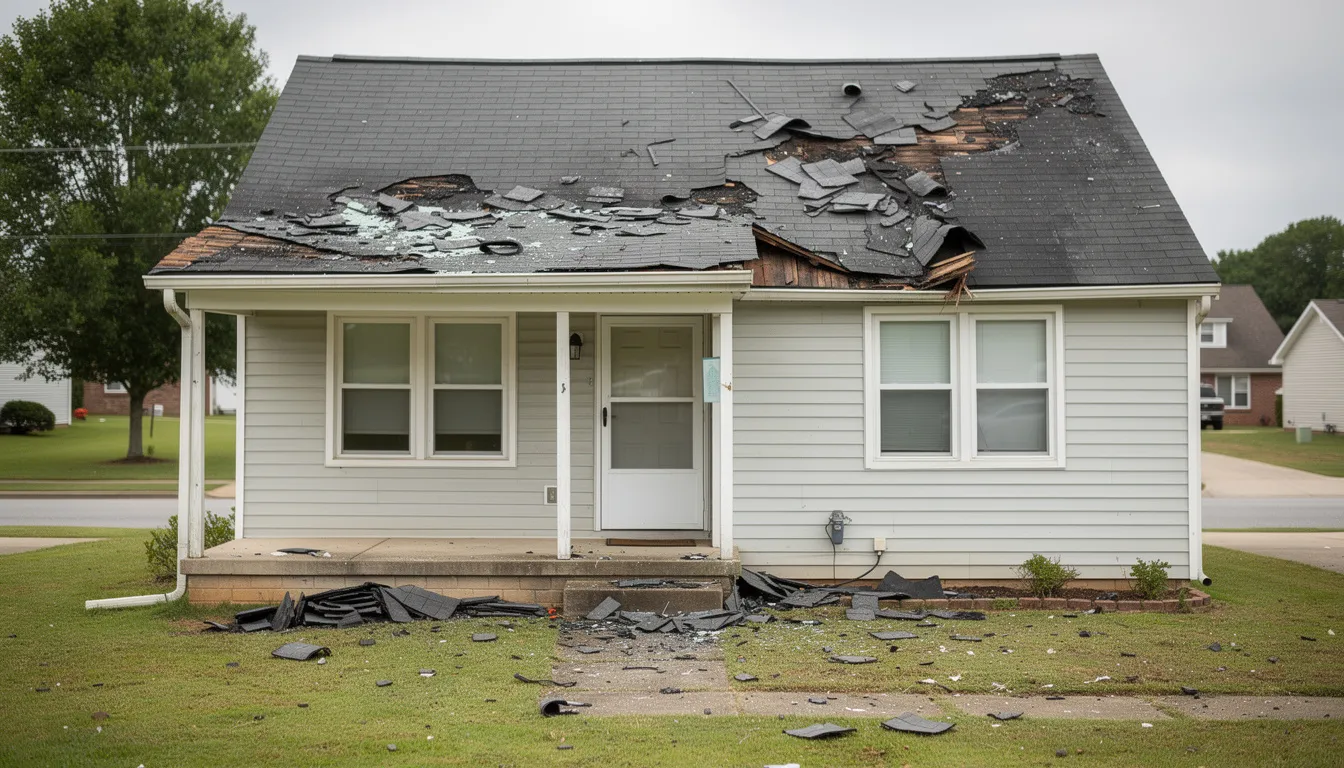
- Missing shingles or shingles scattered in the yard
- Lifted or curling shingles visible from ground level
- Cracked, rusted, or missing flashing
- Shingle granules collecting in gutters
- A sagging roof line visible from the street
- Exposed or damaged underlayment
Storm-specific clues:
- Shingles in the yard after high winds
- Dented soft metals like vent covers that hint at hail impact
- Thick ice ridges along eaves after heavy snow
- Branches or debris resting on or near the roof
If you notice any of these signs, schedule a professional roof inspection rather than waiting for water to actively drip into your living space. A small roof leak caught early is far easier to address than a leaking roof that has caused damage to walls, insulation, and structural framing.
Can a Roof Be Repaired Instead of Replaced?
The short answer: often yes, especially when damage is localized and the roof is relatively young. If damage is localized and the roof is still in the earlier part of its life and with isolated damage is usually a good repair candidate. However, roofs approaching the end of their useful life with widespread wear may be better served by replacement.
When repair typically makes sense:
- Damage is limited to one section or slope of the roof
- The rest of the roof is in good shape
- You have not had multiple roof repairs in recent seasons
- The roofing problem is clearly traced to a specific cause like storm damage
When replacement may be more realistic:
- Damage is spread across multiple areas
- Missing or damaged shingles appear on several slopes
- The roof has required costly repairs repeatedly
- Significant damage extends beyond the surface to decking or structural elements
- The roof is near or past its expected lifespan
Here is a practical rule: if repairs start happening every season or after every storm, total repair costs over a few years can approach or exceed the cost of a new roof. At that point, replacement may actually save money long-term.
Billy’s Roofing bases recommendations on a full inspection of the roof surface, attic, and known leak areas. A quick glance from the driveway is not enough to make this decision accurately.
Roof Repair vs Replacement: How to Decide
Think of roof repair vs replacement as a balance between short-term cost and long-term value. Sometimes a targeted repair is the smart, economical choice. Other times, investing in replacement makes more sense because it eliminates ongoing problems and resets the clock on your roof’s lifespan.
Key decision factors:
| Factor | Favors Repair | Favors Replacement |
|---|---|---|
| Roof age | Under half of expected lifespan | Near or past expected lifespan |
| Damage location | Isolated to one area | Spread across multiple sections |
| Repair history | First or second repair | Multiple repairs in recent years |
| Leak pattern | Single leak with clear source | Leaks in multiple rooms or areas |
| Structural condition | Solid decking and framing | Sagging roof, soft spots, or rot |
Structural considerations:
- Signs of a sagging roof or soft spots in decking push the decision toward replacement
- Chronic moisture in the attic suggests underlying problems that repairs alone may not solve
- Structural repairs to framing or extensive decking replacement can add significant cost
Appearance factors:
- Heavy granule loss and extensive curling affect curb appeal
- Mismatched patches from prior repairs may look inconsistent
- Sometimes a visible patchwork of different roofing material ages homeowners toward replacement
A written estimate that outlines both repair and replacement options helps you compare trade-offs before committing. Ask for documentation of what is wrong, what each approach would involve, and how long each solution is expected to last given your roof’s current condition.
Factors That Affect Roof Repair Costs
Roof repair costs depend more on what is actually involved than on roof size alone. Here are the major roof repair cost factors without getting into specific dollar amounts.
Roof type and material:
- Asphalt shingles are generally less complex to repair than specialized materials
- Flat roof membrane repairs require different techniques and products
- Different roofing materials involve varying material cost and labor requirements
Access and design complexity:
- Steep roofs require additional safety measures and slow down work
- Multiple levels, dormers, and complex geometry add labor time
- Limited access points make material transport more difficult
- Roof slope affects how crews can safely work
Damage extent:
- Replacing a few shingles is very different from major repairs involving decking
- Repairs that combine flashing work, ventilation corrections, and shingle replacement cost more
- Structural damage requiring decking or framing work adds significantly to scope
- Hidden water damage discovered during work can expand the project
Timing and logistics:
- Coordinating with other home projects may affect scheduling
- Debris removal and disposal are part of the cost
- Permit requirements in some areas add administrative steps
- Urgent repairs typically costs more than scheduled repairs
Material quality:
- Higher-grade replacement shingles or flashing cost more upfront
- Upgraded underlayment or ice and water shield add protection and cost
- Matching existing materials, especially for older or discontinued products, can affect pricing
Understanding these factors helps you have a more informed conversation when reviewing estimates. Labor costs and material cost both play a role, as does the square foot area being addressed.
Roof Repairs After Storm Damage
Storms in regions like Southeast Michigan can combine high winds, driven rain, hail, and heavy snow. Each stresses roofs differently, and storm damage often requires prompt attention to prevent further damage.
Immediate steps after a storm:
- Inspect from the ground only. Do not climb on a potentially damaged roof.
- Check your attic for new moisture, daylight through the roof, or wet insulation.
- Photograph any visible physical damage for your records.
- Move belongings away from areas with active leaks if safe to do so.
- Avoid walking on wet or potentially compromised surfaces.
Common storm-related repairs:
- Replacing missing shingles torn off by high winds
- Securing or replacing metal edge flashing
- Resealing around vents and skylights
- Fixing damage from fallen branches or debris
- Addressing ice dam damage along eaves
Some storm damage is not immediately obvious. Hail can bruise asphalt shingles without creating immediate leaks. Those bruised spots weaken over time and may fail months later. This is one reason a professional inspection after a storm matters even if you do not see obvious problems.
Billy’s Roofing can evaluate whether storm damage can be handled with targeted roof repairs or whether sections of the roof are compromised enough to discuss partial or full roof replacement.
Insurance Basics for Roof Repairs
Homeowners often ask whether homeowners insurance covers roof repairs. The honest answer is that coverage always depends on your individual policy and carrier. There is no universal rule.
General principles:
- Many policies focus on sudden, accidental damage from covered events like certain storms
- Wear-and-tear, neglect, and gradual deterioration are typically not covered
- Age of the roof may affect coverage or payout amounts
- Policy deductibles apply before any payout
Practical steps to take:
- Document damage with photos immediately after discovering it
- Keep notes on dates of storms, when you first noticed problems, and what symptoms appeared
- Contact your insurance agent with specific questions about your coverage
- Do not assume damage is covered or not covered without checking
Questions to ask your insurance carrier:
- How does my deductible apply to roof damage claims?
- Is interior water damage evaluated separately from roof damage?
- Will an adjuster inspect the attic and roof surface?
- What documentation do you need from me or my roofing contractor?
- Are there coverage limits specific to roofing?
Billy’s Roofing can provide documentation of roof conditions, photographs, and written assessments. However, the insurance company ultimately decides what is covered based on your policy terms. Never assume coverage outcomes without confirming directly with your carrier.
DIY Roof Repairs vs Hiring a Professional
Some homeowners consider doing minor repairs themselves to save money. There are situations where this might work, and situations where it creates more problems.
Tasks that experienced DIYers might handle safely:
- Gently reseating a single lifted shingle on a low, accessible roof
- Clearing minor debris from a flat roof or low-slope area you can reach safely
- Applying roofing tape as a temporary fix until professional help arrives
Important safety caveats for DIY work:
- Never work on a wet or icy roof
- Avoid any work on steep roofs without proper equipment and training
- Do not attempt repairs that require removing multiple shingles or accessing difficult areas
- Understand that a temporary fix is not a permanent solution
Work that should be professional only:
- Tracing leak sources, which often requires experience and attic access
- Structural repairs to decking or framing
- Major repairs involving multiple shingles or replacing missing shingles across a section
- All flashing work around chimneys, walls, and penetrations
- Any work on steep roofs or roofs higher than a single story
Risks of DIY errors:
- Hidden moisture problems left unaddressed
- Mismatched materials that do not perform together properly
- Improper fastening that creates new leak points
- Repairs that shift water problems to new locations rather than solving them
- Voiding manufacturer warranties on roofing products
A professional roof repair from Billy’s Roofing includes identifying root causes, not just treating visible symptoms. This approach helps avoid repeat issues and protects your home’s structural integrity over time.
Why a Roof Inspection Matters Before Any Repair Decision
A thorough roof inspection is the most reliable way to decide between a small repair, a larger repair plan, or full replacement. Without an inspection, you are essentially guessing.
What a professional inspection typically covers:
| Inspection Area | What Is Checked |
|---|---|
| Roof surface | Shingle condition, granule loss, curling, damage patterns |
| Flashing and penetrations | Condition around chimneys, vents, skylights, walls |
| Gutters and drainage | Proper slope, debris, damage to gutters and downspouts |
| Attic | Moisture signs, ventilation, insulation condition, daylight visible through roof |
| Structure | Soft spots, sagging, decking condition |
Why documentation matters:
- Inspection findings should include clear notes or photos so you can see what is happening
- Documentation helps you compare repair vs replacement options objectively
- Written records support insurance claims if applicable
- Photos establish baseline condition for future reference
What to request from your inspector:
- Explanation of what will be fixed now
- Identification of developing issues to watch in future seasons
- Clear distinction between urgent repairs and things that can wait
- Written estimate with scope of work and materials specified
Regular maintenance and periodic inspections help you catch problems before they become major damage. Even if your roof seems fine, scheduling an inspection every couple of years, and after any significant storm, helps you stay ahead of problems.
If you are unsure whether your roof needs repair or replacement, scheduling a roof inspection with Billy’s Roofing is a practical next step.
Next Steps: Planning Your Roof Repairs with Billy’s Roofing
Most roofing problems can be handled effectively if addressed promptly and with a clear plan. Whether you need minor repairs or are facing a decision about replacement, the process starts with understanding what is actually happening with your roof.
Typical sequence:
- Schedule an inspection to assess current conditions
- Review findings and photos with your roofing professional
- Compare repair vs replacement options if both are viable
- Choose the approach that fits your budget and long-term plans
- Schedule the work and understand what to expect on project day
Questions to gather ahead of time:
- How much disruption should I expect during the work?
- How will debris be handled and removed?
- Which parts of the roof are highest priority?
- What happens if additional problems are discovered during repairs?
- How does this repair fit into the overall remaining life of my roof?
Billy’s Roofing can help you understand your options and choose the approach that protects your home without pressure or rushed decisions. If you have noticed signs of roof damage, experienced a recent storm, or simply want to know where your roof stands, contact us to schedule a roof inspection or request a written estimate. We will walk you through what we find and help you decide whether roof repairs or a new roof makes more sense for your situation.
Frequently Asked Questions About Roof Repairs
How often should I have my roof inspected if it seems fine?
Many homeowners choose periodic inspections, especially after major storms, even if there are no obvious leaks. Many roof problems start small and stay hidden in the attic or under shingles before interior damage appears. Regular inspections help you plan future roof repairs or replacement on a timeline that fits your budget rather than reacting to emergencies.
Can I repair just one section of my roof and leave the rest alone?
Localized repairs or partial reroofing are common when damage is limited to one slope or side of the house. The potential drawbacks include color mismatches between new and older shingles and the possibility that untouched sections may age out sooner. Billy’s Roofing can discuss how well a partial repair will blend and how it fits into a long-term maintenance plan for your home.
How long do typical roof repairs last?
The life of a repair depends on roof age, material quality, and whether the underlying cause of the problem was fully resolved. Repairs on younger roofs with otherwise sound materials usually last longer than repairs on roofs already near the end of their lifespan. During the estimate process, ask how the repair is expected to perform relative to the remaining life of your overall roof system.
Will roof repairs improve my home’s energy efficiency?
Certain repairs can help. Addressing ventilation issues, sealing gaps, and ensuring properly sealed penetrations can stabilize attic temperatures and reduce energy waste. Repairs alone will not transform your home’s energy efficiency, but they can stop drafts, reduce moisture problems, and support your insulation in doing its job. During an inspection, ask whether ventilation or insulation-related roof work is recommended for your specific situation.
What should I do while I wait for a scheduled roof repair if my roof is leaking?
Take practical interim steps: place containers under drips, move belongings away from affected areas, and protect floors with plastic sheeting if safe to do so. Check the attic only if you can do so safely, avoiding wet or weak surfaces. These are temporary measures. A professional repair visit is still needed to resolve the source of the leak and protect your home from further damage.