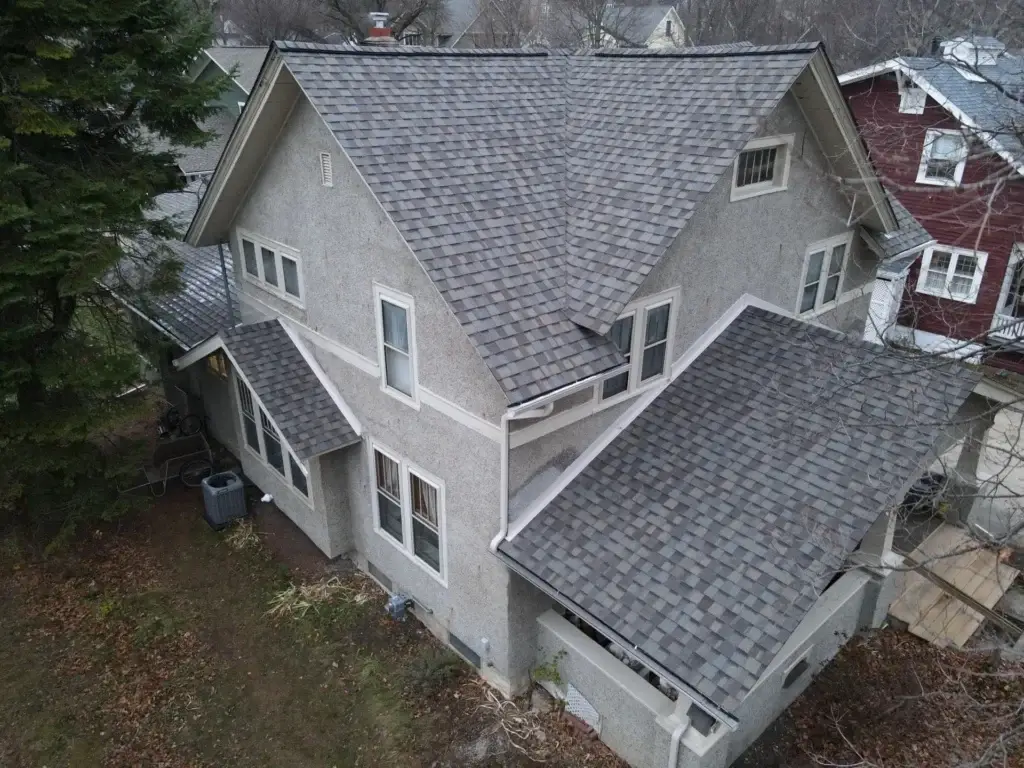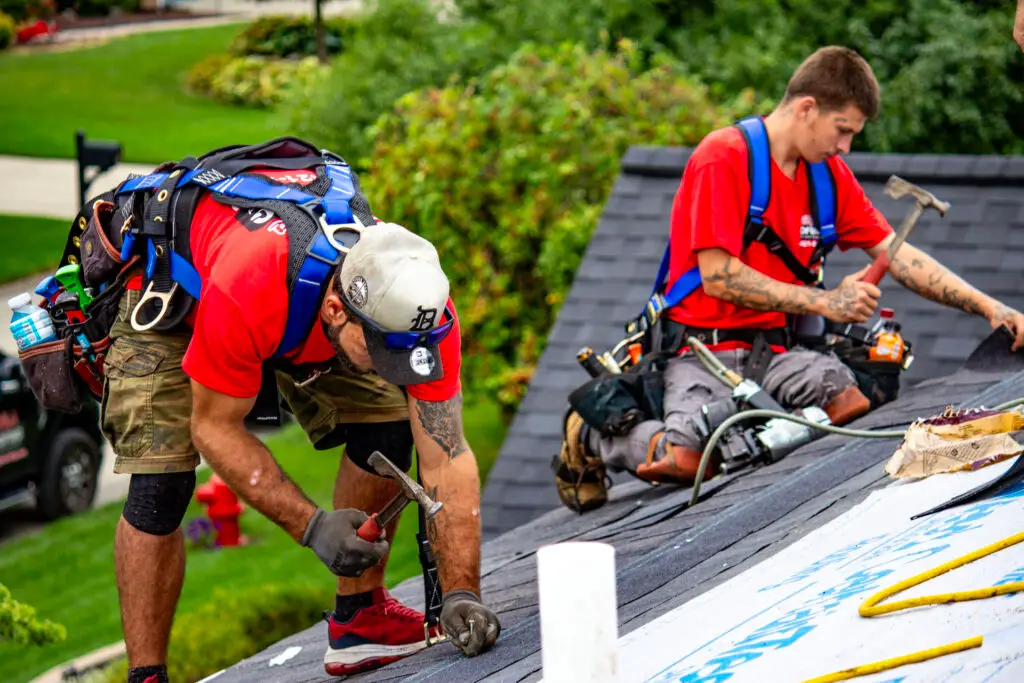
Most roofs in Southeast Michigan last about 15 to 30 years, but that range depends on the roofing materials, installation quality, attic ventilation, maintenance, and how much punishment a Michigan roof takes from Michigan weather. When homeowners ask how long does a roof last in Southeast Michigan, they are usually asking about the roof’s lifespan for asphalt shingles, how long a shingle roof can realistically hold up here, and whether their current roof is aging normally.
That range is wide for a reason. A well-built asphalt shingle roof with proper attic ventilation, proper insulation, and regular maintenance can stay in service for a long time. A roof with weak installation, storm exposure, ice dams, or poor attic ventilation can wear out much sooner. That is why one Michigan roof may last years longer than another even when both homes use similar roofing materials.
For most homeowners, the better question is not just how long does a roof last. It is whether the roof will last in Michigan the way it should based on its age, condition, and material, or whether the current signs point toward roof replacement instead of more just repairs.
Key Takeaways
- Most roofs in Southeast Michigan last about 15 to 30 years
- Asphalt shingles usually last about 20 to 30 years in Michigan when installed properly
- Basic 3-tab shingles often last about 15 to 20 years
- Architectural shingles usually last about 20 to 30 years
- Metal roofs can last much longer, often 40 to 70 years, but they cost more up front
- Freeze-thaw cycles, ice dams, heavy snow, high winds, poor attic ventilation, and weak installation are the biggest reasons roofs wear out early
- If your roof is older and showing leaks, missing shingles, granule loss, or repeated winter issues, roof replacement may be more cost effective than ongoing repairs
For many Michigan homeowners, the real issue is not just how long a roof lasts, but which roofing materials hold up best in Michigan’s climate and when roof replacement becomes the more cost effective choice.
What Shortens Roof Life in Southeast Michigan?
Southeast Michigan is hard on residential roofs. Even strong roofing materials can wear out early when the system underneath them is not doing its job. Michigan’s climate, snowy winters, heavy snow, high winds, and repeated freeze thaw cycles all affect how long a roof will last in Michigan.
Freeze-Thaw Cycles
One of the biggest reasons a roof lasts in Michigan for fewer years than expected is the repeated freeze thaw pattern built into Michigan winters. Snow melts during a warmer stretch, then melting snow refreezes when temperatures drop again. That constant freeze thaw cycle puts stress on shingles, flashing, seal lines, and exposed roof components.
Over time, freeze thaw cycles and Michigan’s freeze thaw cycles can widen small gaps, weaken older shingles, and increase the chance of leaks. On an older Michigan roof, that stress can shorten the roof’s lifespan and lead to costly repairs sooner than expected.
Ice Dams
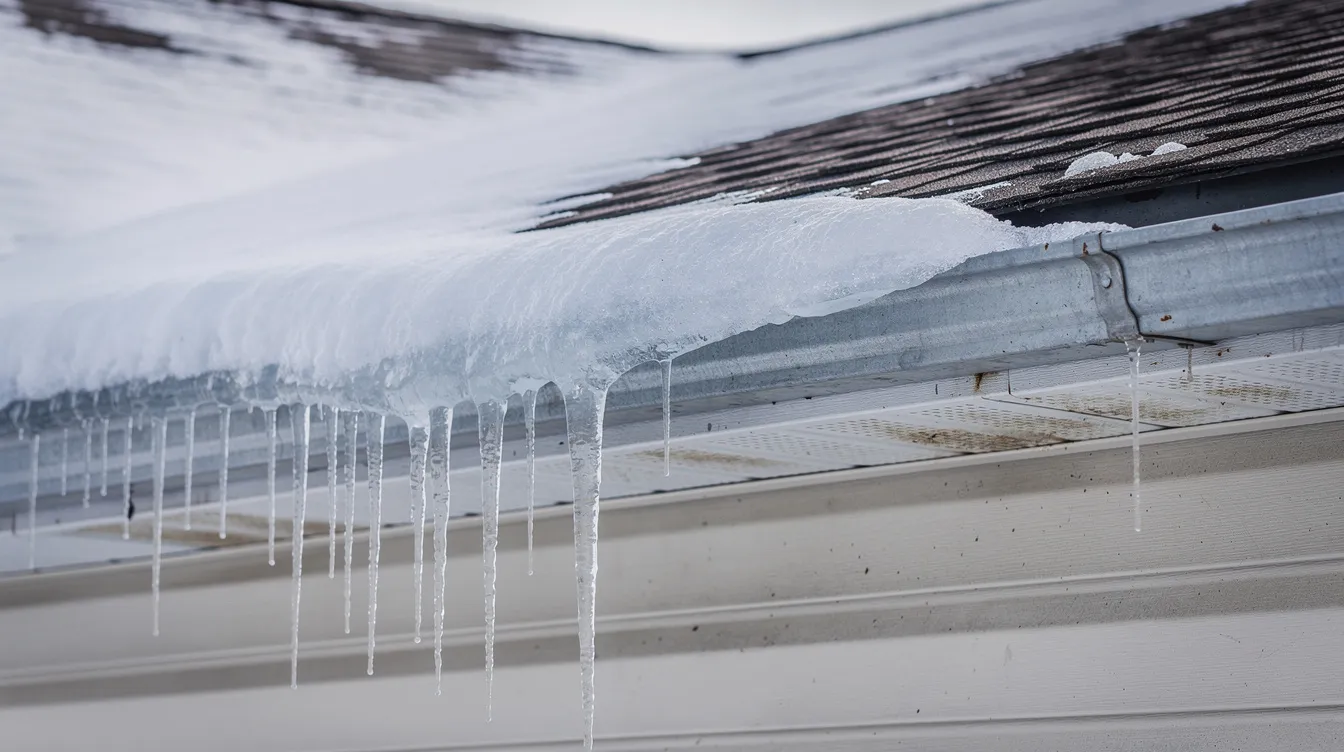
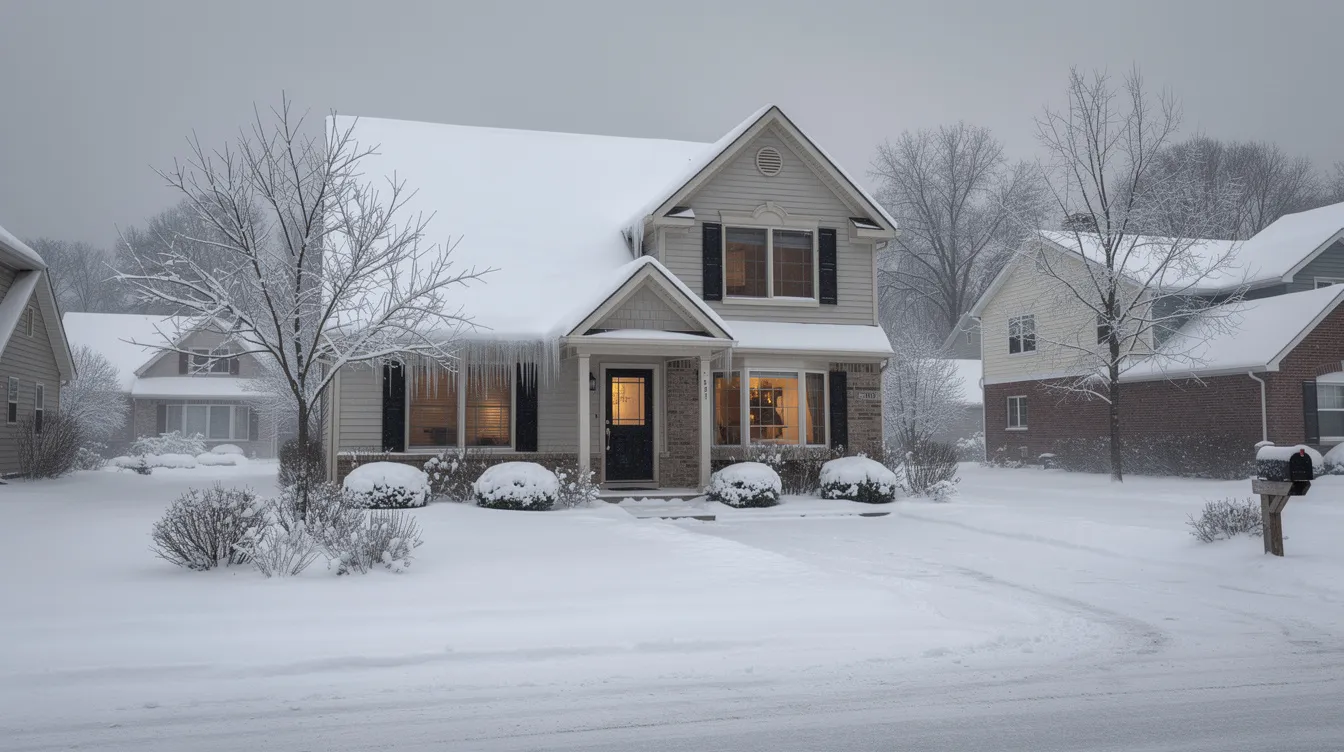
Ice dams are one of the most common winter problems for a Michigan roof. They form when heat escapes through the attic, warms the roof surface, and causes snow to melt. That water moves down the roof edge, then refreezes near the eaves. Over time, ice dams trap water behind them and force it back under shingles.
Once that happens, ice dams can damage the roof deck, create water stains, and lead to hidden moisture problems. This is one reason proper attic ventilation, proper ventilation, and proper insulation matter so much. If you want to prevent ice dams, you usually have to address attic airflow, insulation levels, and drainage together.
Heavy Snow and High Winds
Heavy snow adds weight. High winds test every weak edge, lifted shingle, and worn seal strip. A roof that still looks decent from the ground may already be vulnerable once strong wind or winter weather hits it.
Poor Attic Ventilation
This is one of the biggest hidden issues. Poor attic ventilation traps heat and moisture. In winter, that contributes to ice dams. In warmer months, it can age shingles from below. Proper attic ventilation and insulation help control temperature swings and moisture buildup, which helps extend roof life.
Roof Lifespan by Material
Material matters, but material alone does not decide how long a roof will last. Installation quality and maintenance still matter.
Asphalt Shingles
Asphalt shingles are still the most common roofing material on homes across Southeast Michigan because they are versatile, affordable, and available in different quality levels. For most Michigan homeowners, the real comparison starts with asphalt shingles because they remain the common roofing material used on most residential roofs.
In real conditions, a typical asphalt shingle roof often lasts about 20 to 30 years in Michigan’s climate when it has proper installation, proper underlayment, proper attic ventilation, and regular maintenance. A lower-end asphalt shingle roof may land closer to 15 to 20 years if it faces storm exposure, poor attic insulation, inadequate ventilation, or weak installation techniques.
The reason asphalt shingles matter so much in this discussion is simple: most local shingle roofs use them. So when someone asks how long a roof lasts in Michigan, they are usually asking how long asphalt shingles and a typical asphalt shingle roof can hold up before roof replacement starts to make more sense.
3-Tab Shingles
Older 3-tab shingles usually last about 15 to 20 years. They tend to wear out sooner than thicker shingle options and are more likely to show curling, cracking, and granule loss as they age.
Architectural Shingles
Architectural shingles usually last about 20 to 30 years in Michigan. They are generally a stronger option than older 3-tab products and often give homeowners a better balance of durability, appearance, and value.
Metal Roofs
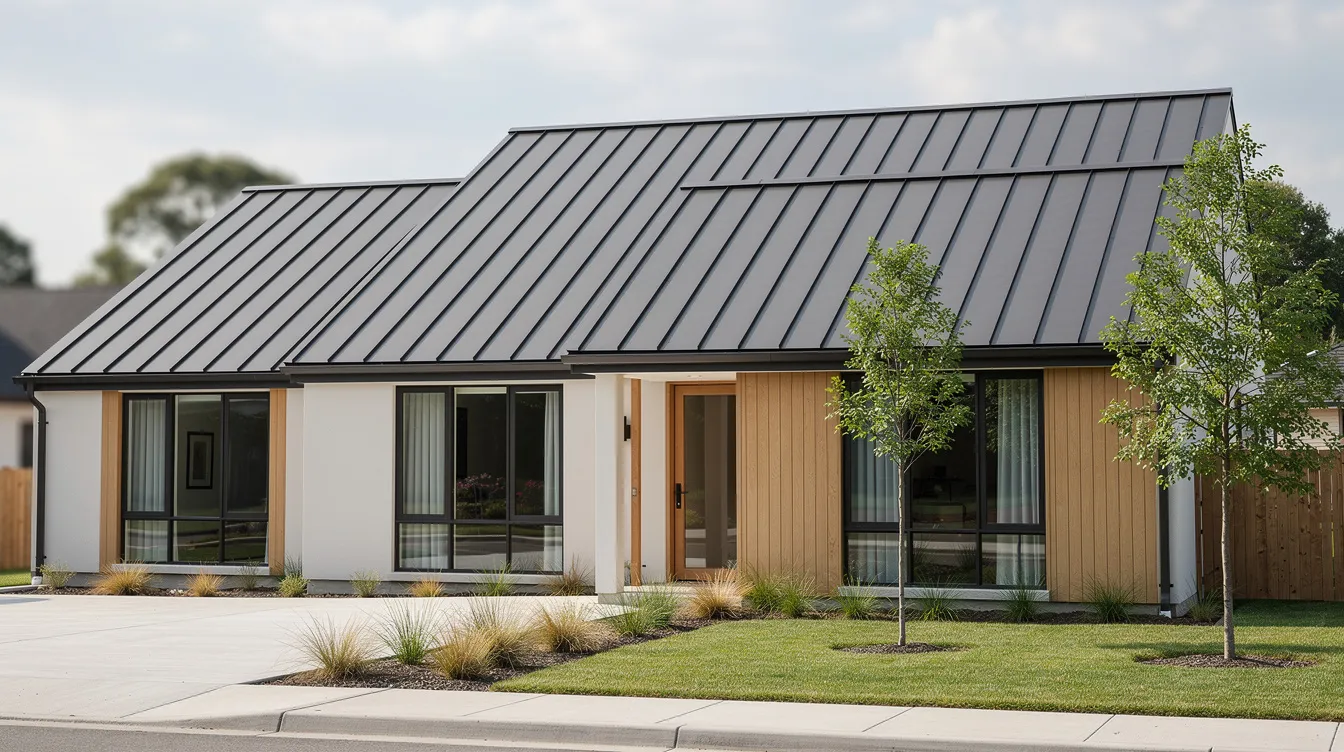
Metal roofs can last about 40 to 70 years. They are a longer-life material, but they also come with a higher upfront cost. For this article, the important point is simple: metal usually lasts longer than asphalt, but most homeowners in Southeast Michigan are still comparing shingle roof systems first.
Flat and Low-Slope Roofs
Flat roofing systems such as EPDM, TPO, and PVC often last about 20 to 30 years, depending on the material, drainage, seam quality, and maintenance. These roofs depend heavily on proper installation and regular inspections.
Different roofing materials age differently, and that affects both roof longevity and long-term cost. Architectural shingles usually outlast older 3-tab asphalt shingles, while metal roofs can last much longer than most shingle roofs. In some cases, metal roofs make sense for long-term owners, even though the upfront cost is higher. Flat roofs typically depend even more on drainage, seam quality, and maintenance. Materials like composite options and even clay tile exist too, but for most homes in Southeast Michigan, the practical conversation still comes back to asphalt shingles, architectural shingles, and whether higher-end or premium shingles are worth the added cost.
Why One Roof Lasts Longer Than Another
Two roofs with the same material can age very differently. The biggest reasons usually come down to the basics.
Installation Quality
Installation quality matters more than many homeowners realize. Poor installation can lead to early leaks, weak flashing details, lifted shingles, ventilation problems, and premature failure. A roof that looks fine on day one may still have problems built into it.
Ventilation and Insulation
A roof system is not just shingles. The attic matters too. Proper ventilation and insulation help control heat, moisture, and airflow. Without that, the roof can age faster and deal with more winter stress.
Maintenance
Regular maintenance still matters. Cleaning gutters, trimming back branches, addressing small leaks early, and scheduling annual roof inspections all help prevent small issues from becoming expensive ones.
Weather Exposure
Not every roof takes the same beating. Tree cover, wind exposure, roof pitch, and how much snow sits on the roof all influence wear over time.
This is where quality roof installation matters. The same roofing materials can perform very differently depending on installation quality, installation techniques, ventilation details, roof pitch, and overall roof complexity. A roof built with high quality materials and careful workmanship will usually hold up better than a roof installed with shortcuts.
Signs Your Roof May Be Nearing the End
A roof does not need to be leaking badly to be near the end of its useful life. On many older shingle roofs, the first signs are subtle: missing shingles, cracked shingles, granule loss, lifted tabs, and water stains in the attic or on ceilings. Those warning signs often show that the roof’s lifespan is getting close to the end and that delaying action may lead to costly repairs or a full roof replacement.
Missing or Damaged Shingles
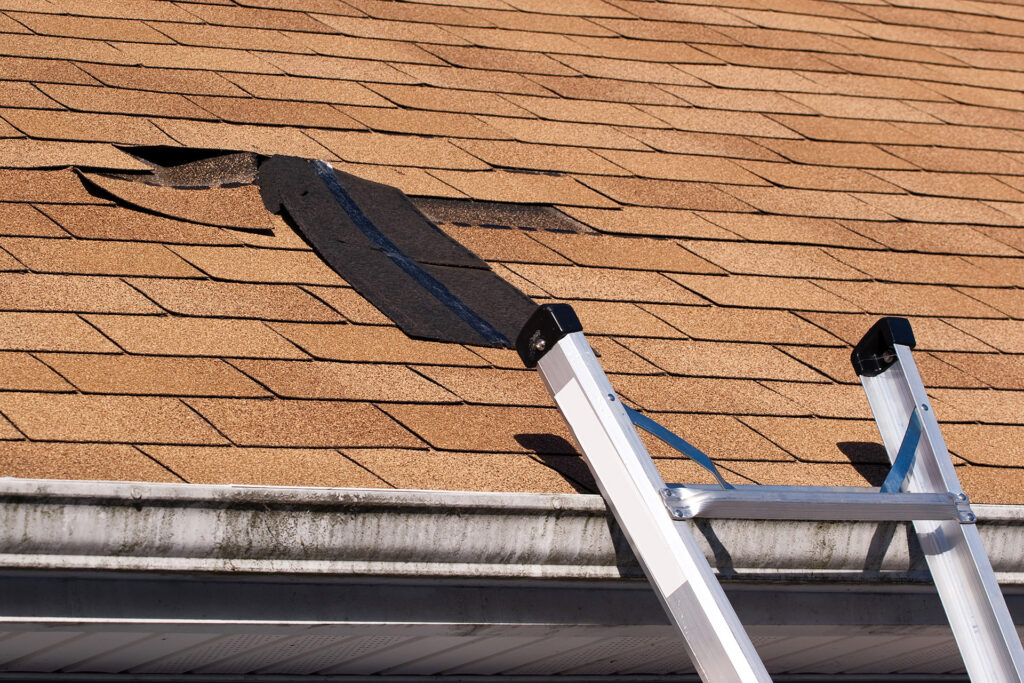
Missing shingles, cracked shingles, curling tabs, and lifted edges usually mean the roof is losing its ability to protect itself.
Granules in Gutters
Granule loss is a common sign of aging on asphalt shingles. A little is normal over time. Heavy buildup in gutters is a sign the shingles are wearing down.
Water Stains or Attic Moisture
Water stains on ceilings, damp insulation, or visible attic moisture usually mean water is getting in somewhere. Even when the stain looks small, the problem may not be.
Sagging or Soft Spots
Sagging sections or soft decking can point to deeper moisture damage below the shingles. That usually moves the problem beyond a simple patch.
Repeated Ice Dams
If ice dams happen repeatedly, the roof may have insulation or ventilation issues that are putting the whole system under stress.
When Repair Makes Sense
Not every problem calls for roof replacement. Sometimes just repairs are still the smarter move, especially when the damage is isolated and the rest of the system is still in decent shape. A good roofing company should be able to tell you whether the issue is limited to one area or whether the broader roof’s lifespan is already running out.
Repair usually makes sense when:
- the damage is isolated
- the roof is still well within its normal age range
- the roof deck is still solid
- the surrounding shingles are in decent shape
- the issue came from one event, such as wind damage or a flashing failure
This is where a straightforward inspection matters. A good roofing company should be able to explain whether the problem is truly isolated or part of a larger pattern.
When Roof Replacement Is the Smarter Move
There is a point where repeated patchwork stops being the cheaper option. If an older Michigan roof keeps showing leaks, missing shingles, recurring winter issues, or visible wear across multiple sections, roof replacement is often more cost effective than continuing repairs. In many cases, a new roof helps homeowners avoid repeat leak calls, reduce the chance of bigger interior damage, and prevent costly repairs later.
If the roof is over 20 years old and showing widespread wear, roof replacement may be the smarter next step. A full roof replacement can also improve curb appeal, help improve energy efficiency, and give the home a more dependable system going into future Michigan winters.
Roof replacement is often the better move when:
- the roof is older and showing broad wear
- leaks are happening in more than one area
- missing shingles keep returning after storms
- granule loss is widespread
- the roof deck has started to weaken
- repair work has become a pattern instead of a one-time fix
Repair vs. Replace: A Simple Rule of Thumb
| Roof Age | Condition | Recommendation |
|---|---|---|
| Under 15 years | Isolated damage | Repair usually makes sense |
| 15 to 20 years | Multiple symptoms or recurring issues | Get a professional assessment |
| Over 20 years | Widespread wear, repeated leaks, or winter problems | Replacement is often the smarter move |
This is not a hard rule. It is a practical starting point. The actual condition of the roof matters more than age alone.
How to Extend Roof Life
You cannot control Michigan weather, but you can extend roof life with smart upkeep. The most important habits are scheduling annual roof inspections, cleaning gutters, fixing flashing issues early, and checking attic airflow.
Schedule Annual Roof Inspections
Scheduling annual roof inspections is one of the simplest ways to catch trouble early. Annual roof inspections help spot storm wear, flashing problems, early leak points, and ventilation issues before they turn into costly repairs. They also help a roofing company identify whether the current problem needs a small repair or whether roof replacement is starting to come into the picture.
Keep Gutters Clear
Clogged gutters hold water where it does not belong and can make winter ice problems worse.
Handle Small Repairs Early
A few damaged shingles or a minor flashing issue is much easier to deal with than an active leak that reaches insulation or drywall.
Pay Attention to Ventilation
Attic ventilation matters year-round. In winter, it helps reduce the conditions that create ice dams. In warmer months, it helps reduce trapped heat and moisture. Features like ridge vents can support better airflow when the roof system is designed correctly. Good airflow, proper ventilation, and proper attic ventilation all help support roof longevity and may also improve energy efficiency.
Keep Up with Maintenance
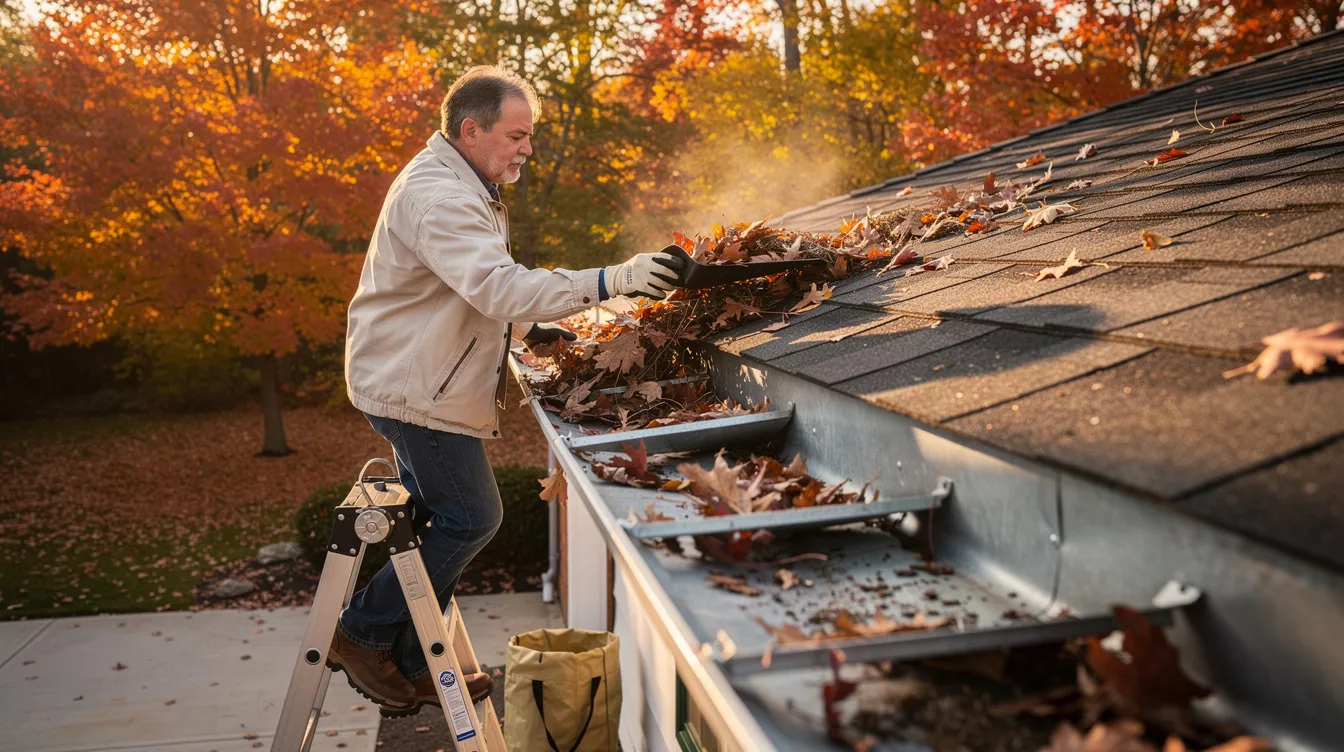
Regular maintenance still matters. Cleaning gutters, trimming branches, fixing damaged shingles, and addressing small flashing problems early helps protect the roof deck and reduce long-term roof damage. Good upkeep is one of the best ways to help a roof last in Michigan as long as it reasonably can.
What Billy’s Roofing Looks For
When Billy’s Roofing inspects a roof, the goal is simple: figure out what condition the roof is in, what is causing the wear, and whether repair or replacement is the better next step.
That usually includes checking:
- overall shingle condition
- flashing and transition areas
- signs of wind lift or missing shingles
- evidence of ice dam damage
- attic ventilation and moisture conditions
- visible roof deck concerns
- drainage and gutter performance
The point is not to push a replacement when a repair will do. The point is to define the problem clearly and explain the options in plain language.
If you are not sure whether your roof needs more maintenance, repair, or roof replacement, Billy’s Roofing can provide a free inspection and a plain-language explanation of what your roof is doing now, what may happen next, and whether a new roof is worth planning for.
FAQs
How long do asphalt shingles last in Southeast Michigan?
Most asphalt shingles last about 20 to 30 years in Michigan when the roof is installed properly and supported by good ventilation and maintenance.
Do ice dams mean I need a new roof?
Not always. Ice dams often point to ventilation and insulation problems. But if they have already caused repeated leaks or deeper roof damage, replacement may become part of the solution.
What is the most common roofing material in Michigan?
For most homes, asphalt shingles are still the most common roofing material because they are practical, widely used, and cost effective.
Can attic ventilation really affect roof life?
Yes. Poor attic ventilation can trap heat and moisture, which increases stress on the roof and contributes to early wear.
When should I stop repairing an old roof?
If the roof is older, showing widespread wear, and needing repeated repairs, replacement is often the more practical and cost effective option.
What makes one Michigan roof last longer than another?
The biggest factors are roofing materials, installation quality, attic ventilation, maintenance, and how much weather exposure the roof gets. Even two similar shingle roofs can age very differently in Michigan’s climate.
Should I get a free inspection if my roof looks mostly fine?
Yes, especially if the roof is older or has gone through severe weather. A free inspection from a trusted roofing company can catch issues early and help prevent costly repairs.
Conclusion
Most roofs typically last about 15 to 30 years in Southeast Michigan, but the real answer depends on the roofing materials, installation quality, attic ventilation, maintenance, and how that Michigan roof handles Michigan weather. For most homes here, the real conversation comes back to asphalt shingles, the condition of older shingle roofs, and whether the current symptoms point toward more repairs or roof replacement.
If your roof is showing leaks, water stains, winter issues, or visible wear, a local roofing company can help you decide what makes sense next. Billy’s Roofing offers a free inspection so homeowners can understand the condition of the roof, compare repair versus roof replacement, and make a practical call before small problems turn into costly repairs.